The Perfect Combination: Wood & Heat
Engineered wood flooring is generally well suited for underfloor heating because its layered construction is more dimensionally stable than solid wood. This means it reacts less aggressively to temperature changes and fluctuating room conditions when installed correctly.
However, suitability does not mean there are no limits. Wood is still a natural material, and incorrect operation of the heating system can lead to shrinking, gaps, surface stress, cracking or long-term instability. For that reason, both the heating system and the floor must be treated as one coordinated installation.

- Maximum 27°C surface temperature: The temperature at the wood surface must never exceed this limit unless specifically approved for the product.
- Gradual changes only: Increase or reduce the heating by around 2–3°C per day rather than making abrupt adjustments.
- No hotspots: Aim for even heat distribution across the room to prevent localised stress.
- Stable humidity: Keep indoor relative humidity consistently between 45% and 60% wherever possible.
Not every floor construction and not every heating system behaves in the same way. Always check product-specific guidance, especially for plank width, board thickness, installation method and compatible underlay or adhesive systems.
Before and After Installation
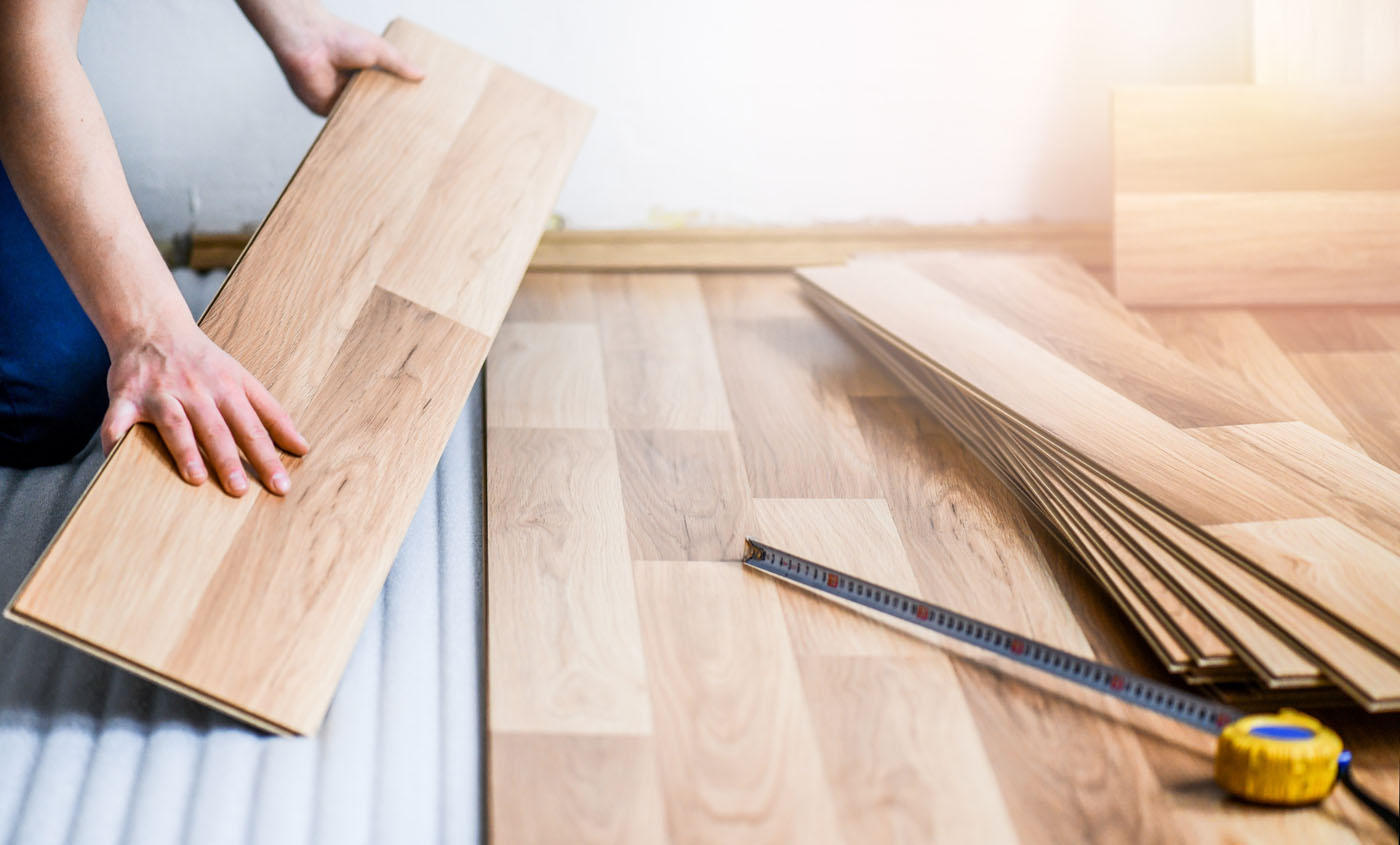
The heating system should be switched off at least one day before installation begins so that the subfloor and room conditions can stabilise. This helps avoid unnecessary stress during fitting and allows adhesives, underlays and boards to settle correctly.
After installation, the floor should be given a short rest period before the heating is turned back on. This is especially important with glued systems and freshly prepared subfloors.
Important: Wait at least 4 to 5 days after installation before switching the heating back on. Restart at the lowest setting and raise the temperature slowly in controlled increments.
Why this matters
Turning the heating on too soon or too aggressively can shock the timber, increase stress within the boards and interfere with adhesive performance. A slower restart gives the floor time to adapt naturally.
Commissioning and Ongoing Operation
The commissioning phase is one of the most important parts of a successful underfloor heating installation. The heating system should be brought up to temperature and lowered again in a controlled cycle in line with the supplier or installer’s recommendations.
Once the floor is in use, day-to-day operation should remain steady. Constantly switching between cold and very warm settings puts unnecessary pressure on the timber and may reduce long-term performance.
Slow Start-Up
Increase the system temperature gradually rather than making large temperature jumps.
Steady Output
A consistent operating temperature is better for wood flooring than frequent dramatic changes.
Room Monitoring
Use a hygrometer and room thermometer to keep an eye on humidity and heat levels.
Seasonal Care
During colder months, additional humidification may be needed when heating dries the air too much.
Important Warnings
Failure to follow underfloor heating guidance may affect the factory warranty and can lead to avoidable performance issues. Particular care should be taken with temperature build-up, moisture balance and surface coverings.
Avoid the following:
- Covering the floor with heavy rugs, thick runners or insulated mats that trap heat.
- Cleaning with excessive water, wet mops or steam cleaners.
- Sudden temperature changes that force the timber to expand or contract too quickly.
- Running the heating above the recommended floor surface temperature.
- Ignoring low humidity levels during winter heating periods.
If you are unsure about the compatibility of your subfloor, heating system or flooring build-up, always seek professional advice before installation begins.
Quick Checks Before You Start
Before installation or first use, it helps to run through a simple checklist. This can prevent common errors and make the finished floor more reliable over time.
- System approved: Confirm that the flooring product is suitable for underfloor heating.
- Subfloor ready: Make sure the base is dry, level and fully prepared.
- Heating protocol: Follow the correct warm-up and cool-down procedure.
- Climate controlled: Maintain a balanced room environment before and after fitting.
Need Advice on Underfloor Heating?
The right heating setup protects both the floor and the warranty. Our team can help you check compatibility, understand operating limits and choose the best engineered wood option for your project.