Subfloor Preparation
The foundation of your floor must be dry, stable and properly prepared. Moisture trapped within the subfloor is one of the most common causes of wood expansion, movement, cupping, adhesive failure and long-term damage.
Before any installation begins, the property should be fully enclosed, weather-tight and sufficiently dried out. Wet trades should be completed in advance, and the base should be tested rather than assumed to be ready.
- Screed Drying: New concrete and screed bases should be allowed to cure fully before installation.
- Moisture Testing: Always confirm readings with a recognised moisture test before laying the floor.
- Mineral Subfloors: A suitable vapour barrier is generally required on mineral bases where specified.
- Site Condition: Never install flooring until the building is enclosed, dry and at normal living conditions.
- Level & Sound: The subfloor should be flat, structurally sound and free from contamination or loose material.
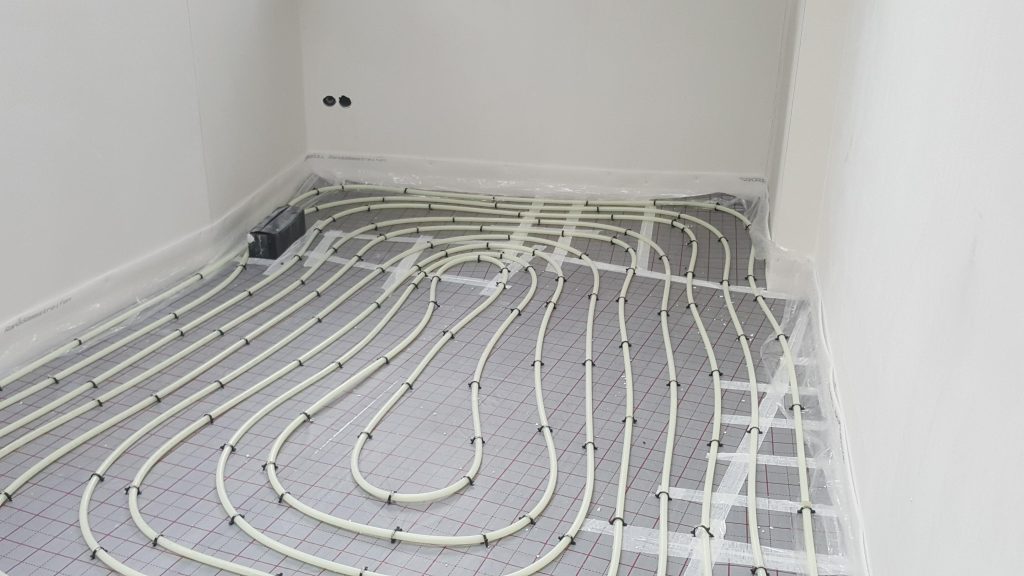
On underfloor heating systems, moisture and commissioning requirements are stricter. Heated screeds should always be tested and prepared in line with the relevant installation and heating protocol.
Natural Acclimatisation
Real wood responds to the climate of the specific room in which it is installed. To reduce stress after fitting, boards should be allowed to acclimatise before installation in accordance with the product guidance and site conditions.
In general, flooring should be stored in the installation room for approximately 48 to 72 hours, depending on the product and project conditions. The room should already be at normal living temperature with stable humidity before the flooring is brought in.
Acclimatisation does not replace moisture testing. Both the flooring and the environment must be suitable before work begins.
Seasonal Environment Care
Wood flooring naturally reacts to seasonal changes. The goal is not to stop natural movement completely, but to keep the indoor environment balanced enough to avoid excessive shrinkage, swelling or stress.
- Summer: Use ventilation and sensible climate control to avoid excessive humidity build-up.
- Winter: Heated air is often dry, so humidification may be needed when levels fall too low.
- Expansion Gaps: Appropriate perimeter gaps should always be maintained to allow for natural movement.
- Steady Living Conditions: Sudden environmental swings are more harmful than stable seasonal differences.
Quick Checks Before Installation
A short pre-installation checklist helps reduce avoidable issues and creates a more reliable installation from the start.
Room Ready
Confirm the building is enclosed, dry and suitable for flooring delivery and storage.
Subfloor Tested
Record moisture readings before installation, especially on new screed or concrete.
Climate Stable
Maintain a consistent room temperature and balanced humidity before and after fitting.
Movement Allowed
Ensure the correct perimeter expansion detail is included in the installation plan.
Important Warranty Terms
Please note
Installation of the product constitutes acceptance of the job site conditions. Damage caused by unsuitable environmental conditions — including excessive dryness, high humidity, rising damp or insufficient subfloor preparation — is not covered by the factory warranty. Correct site checks, moisture testing and climate management remain essential throughout the life of the floor.
Need expert support?
Get the moisture conditions right before installation
Moisture issues are one of the main causes of movement, gaps and long-term floor failure. Our team can help you understand site conditions, preparation requirements and the right next steps before fitting begins.