
The right way to clean wood floors without damaging the finish
Cleaning wood flooring properly is less about using strong products and more about using the correct method. Most day-to-day dirt on timber flooring comes from dust, footwear, pet hair, grit and small spills. If that debris is left sitting on the surface, it can act like sandpaper underfoot and slowly wear away the floor finish over time.
Whether you have engineered wood flooring, solid wood planks or classic parquet, the goal is always the same: keep the floor clean, dry, protected and free from residue. This helps preserve the grain, colour tone and surface texture, while also reducing the risk of staining, swelling or premature wear.
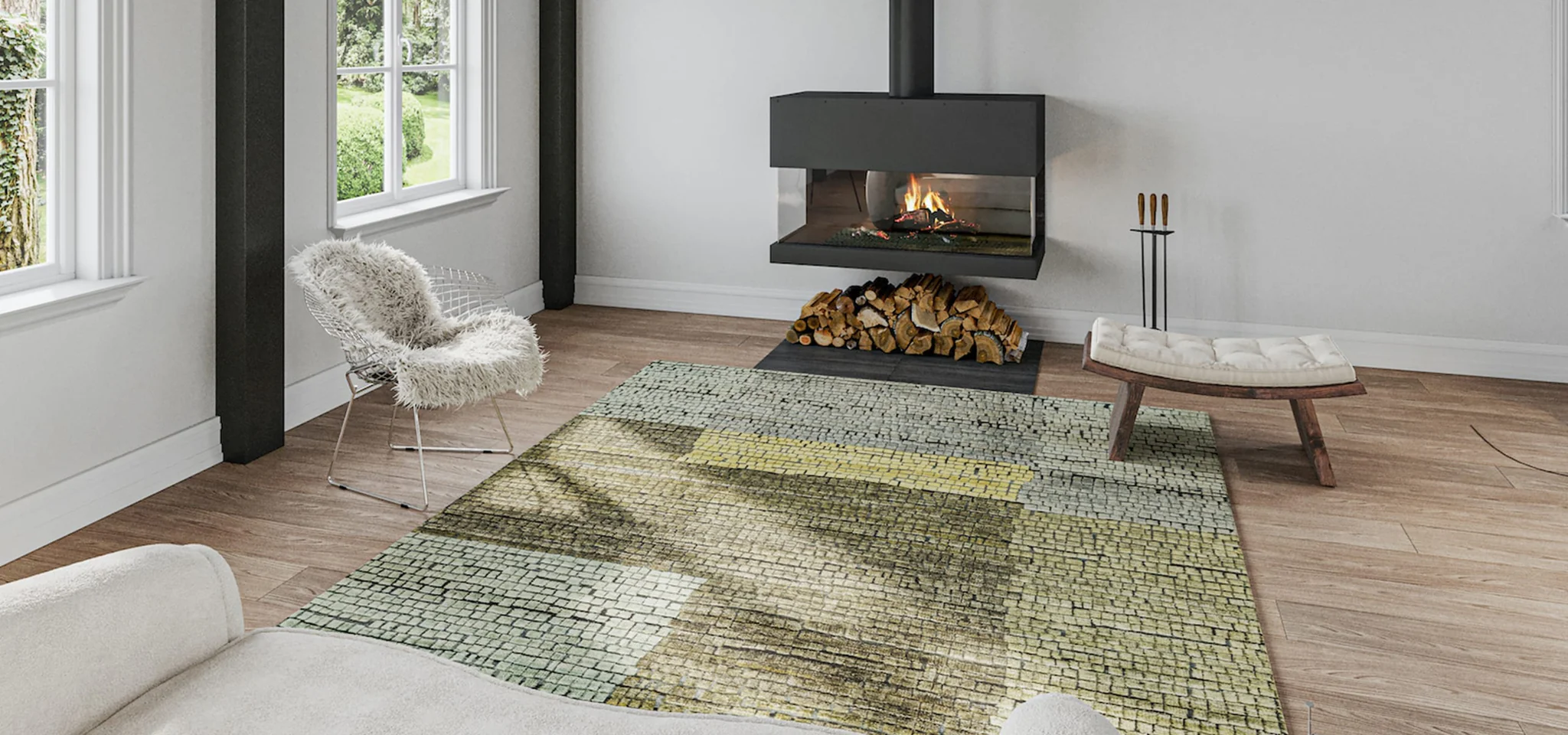
Remove loose dirt first
Dust, crumbs and grit should always be lifted before any damp cleaning starts.
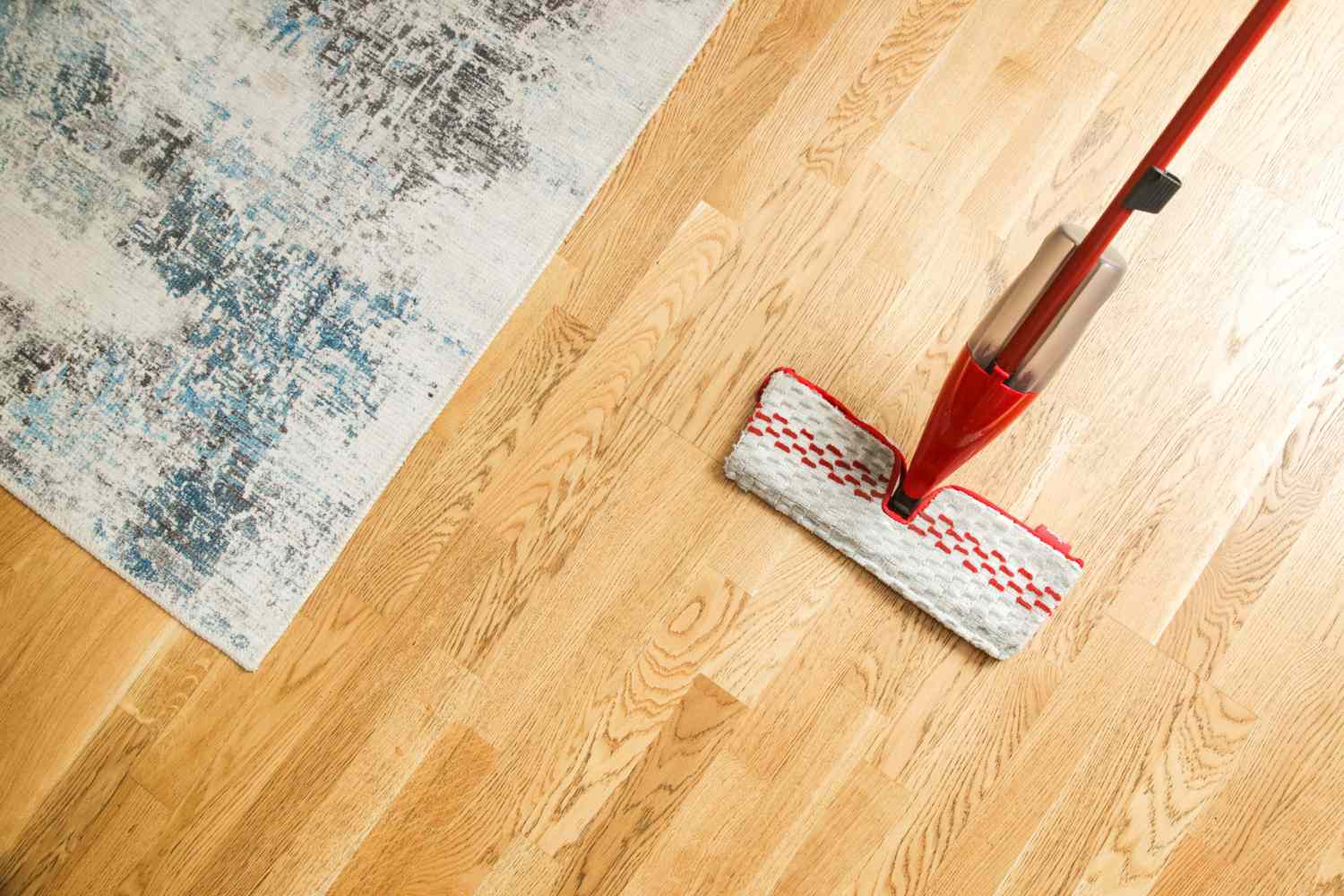
Use minimal moisture
A lightly damp microfibre mop is usually enough for routine wood floor care.
Choose the right cleaner
Use a pH-neutral cleaner made for wood flooring, not a harsh all-purpose product.
Daily and weekly wood floor cleaning routine
The best daily cleaning routine for wood floors is simple and consistent. In most homes, you do not need to wash the floor every day. Instead, focus on dry cleaning methods that remove abrasive particles before they scratch the surface. High-traffic areas such as kitchens, hallways, dining spaces and entrances may need more frequent attention than bedrooms or formal living rooms.
Weekly maintenance usually involves vacuuming or sweeping thoroughly, followed by a lightly damp microfibre mop if needed. This keeps the floor looking polished without leaving excess water or sticky residue behind.
- Use a soft-bristle broom or parquet-safe vacuum attachment to remove dirt and grit.
- Work with the grain where possible for a cleaner, more natural finish.
- Use a dry or barely damp microfibre mop rather than a soaking wet mop head.
- Clean spills immediately, especially water, wine, coffee, oil or pet accidents.
- Pay extra attention to doorways, under dining tables and busy family zones.
A good rule of thumb: if the floor looks wet after mopping, the mop is too damp. Wood flooring should dry quickly after cleaning.
How to deep clean wood flooring safely
From time to time, wood floors need a more thorough clean to remove built-up marks, light grime and residue from day-to-day use. The key is to deep clean carefully rather than aggressively. Heavy scrubbing, steam or harsh detergents can strip the finish and dull the appearance.
Before deep cleaning, always vacuum or sweep first. Then prepare a wood-floor-safe cleaning solution according to the product instructions. Use a lightly damp mop or cloth and clean in sections so moisture never sits too long on the floor.
Best deep-cleaning method
- Vacuum first using a wood-floor-safe setting.
- Use a dedicated wood floor cleaner diluted correctly if required.
- Wring the mop thoroughly so it is only slightly damp.
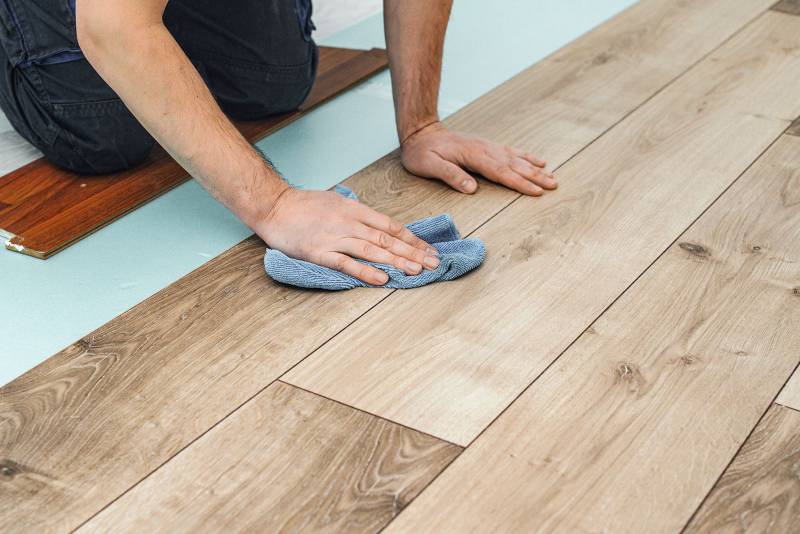
- Clean section by section and dry any excess moisture with a soft cloth.
- Never leave puddles, streaks or cleaner residue behind.
For stubborn marks
Heel marks, light scuffs or sticky spots can often be removed with a soft microfibre cloth and a small amount of approved wood floor cleaner. Avoid metal scourers, stiff brushes or abrasive pads. On oiled floors, it is especially important to use products designed for the specific finish.
What not to use on wood flooring
Many wood floor problems start with the wrong cleaning method rather than poor-quality flooring. Over-wetting, using strong chemicals or relying on shortcut products can damage the protective finish and shorten the life of the floor.
- Do not use steam mops on wood flooring unless the manufacturer specifically says it is safe.
- Do not use bleach, ammonia, strong degreasers or highly alkaline cleaners.
- Do not use soaking wet string mops or leave standing water on the floor.
- Do not use furniture polish, wax sprays or silicone-based products unless recommended for that finish.
- Do not scrub with abrasive sponges, hard brushes or rough pads.
Even durable engineered wood flooring can suffer if moisture seeps into joints, edges or unsealed areas. Prevention is always easier than repair.
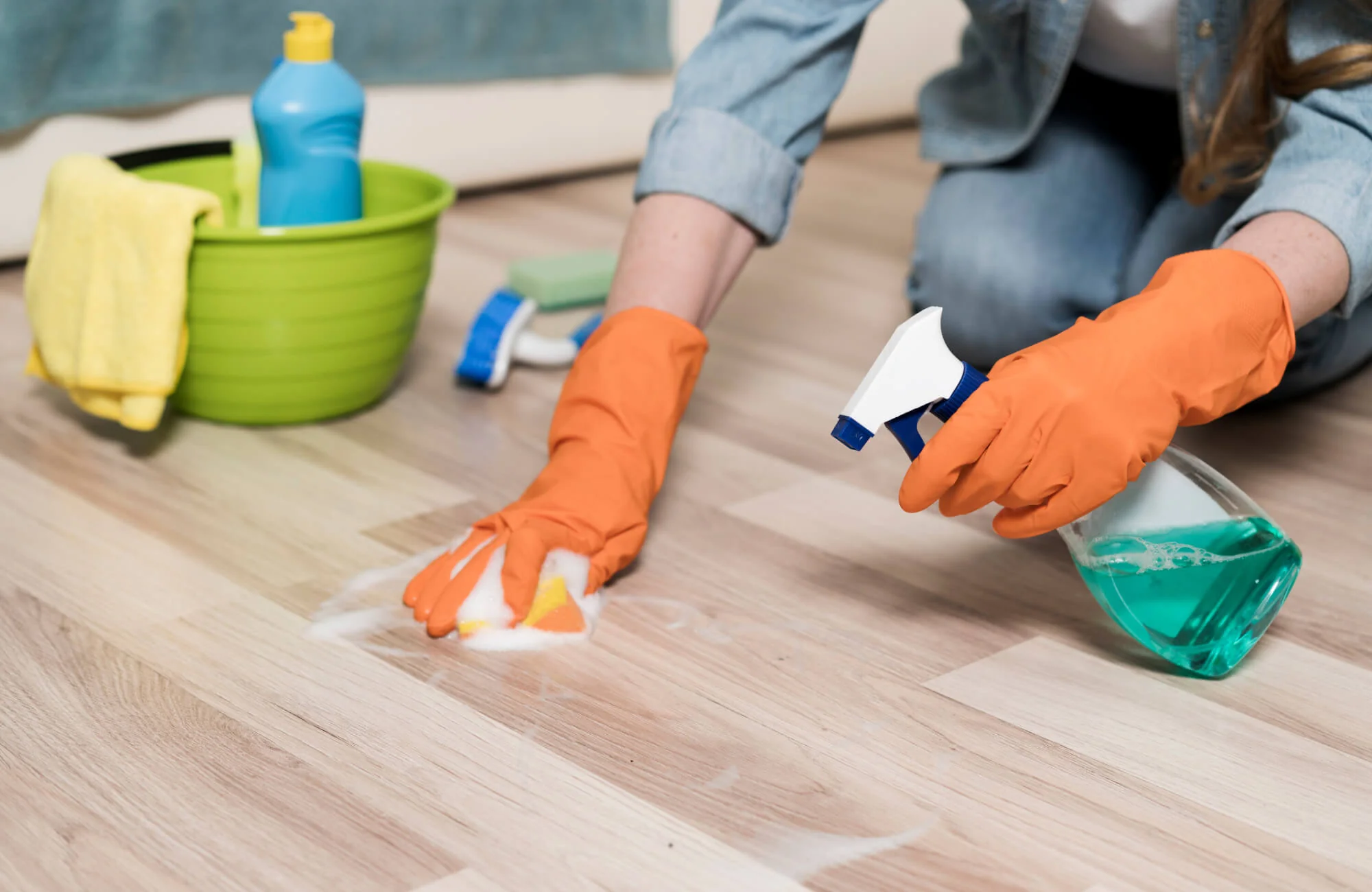
Which products are best for cleaning wood floors?
The best wood floor cleaner is usually a pH-neutral product made specifically for sealed wood flooring. These cleaners are designed to lift everyday dirt without stripping the finish or leaving a cloudy film behind. If your floor has an oiled, lacquered or hardwax-oil finish, it is worth checking the care guidance for that particular surface.
| Cleaning item | Best choice | Why it works well |
|---|---|---|
| Everyday dust removal | Soft broom or microfibre dust mop | Helps remove grit and dust before it scratches the surface. |
| Routine weekly cleaning | Parquet-safe vacuum and lightly damp microfibre mop | Cleans effectively while keeping moisture under control. |
| Cleaning solution | pH-neutral wood floor cleaner | Protects the finish and avoids residue from harsh chemicals. |
| Spot cleaning | Soft cloth with approved cleaner | Allows precise cleaning of spills and marks without oversaturating the floor. |
| Surface protection | Felt pads and entrance mats | Reduces wear, scratches and dirt transfer before cleaning is even needed. |
Helpful buying tip
Avoid choosing a product simply because it promises “shine”. Many glossy cleaners leave a film that attracts more dirt over time. A cleaner that leaves the surface fresh, clean and natural-looking is usually the better option for premium wood flooring.
How to keep wood flooring cleaner for longer
Good floor care is not only about cleaning. It is also about reducing the amount of dirt, grit and moisture that reaches the floor in the first place. A few simple habits can make a big difference to both appearance and longevity.
Practical ways to protect wood floors
- Place quality mats at entrances to catch grit and moisture before it spreads indoors.
- Use felt pads under chairs, benches and moveable furniture.
- Lift furniture instead of dragging it across the boards.
- Trim pet nails regularly to reduce fine scratches.
- Wipe up spills as soon as they happen, especially around kitchen and dining areas.
- Keep indoor humidity stable to support overall wood floor performance.
These habits are especially valuable in busy family homes, open-plan spaces and homes with pets. Combined with the right cleaning routine, they help wood flooring stay elegant, warm and well-maintained year after year.
Frequently asked questions about cleaning wood flooring
How often should you clean wood floors?
Dust and loose dirt should be removed as needed, often several times a week in busy areas. A more thorough lightly damp clean is usually done weekly or when the floor needs it.
Can you use water on wood flooring?
Yes, but only in a very controlled way. Use a lightly damp mop rather than a wet one, and never allow water to sit on the surface.
Are steam mops safe for engineered or solid wood floors?
In most cases, steam mops are best avoided unless your flooring manufacturer clearly states that they are suitable for your specific floor and finish.
What is the best mop for wood flooring?
A soft, high-quality microfibre mop is usually the safest and most effective option because it cleans well without introducing too much moisture.
Can I use vinegar to clean wood floors?
It is generally better to avoid vinegar-based cleaning on wood flooring unless your floor manufacturer specifically recommends it. Repeated acidic cleaning can affect certain finishes.
More flooring care and buying advice
Need help choosing the right wood flooring for your home?
Explore premium engineered wood, parquet and natural timber looks at Homes & Floors. If you want guidance on finish, maintenance, room suitability or long-term durability, our team can help you choose a floor that looks beautiful and performs well in everyday life.