How do you clean engineered wood floors safely?
The safest method is regular vacuuming or sweeping with a soft brush, followed by a slightly damp microfibre mop and a pH-neutral wood floor cleaner.

Browse our collections and find your perfect floor.
A useful evergreen guide for protecting engineered wood flooring and keeping it looking its best long term.
Built to answer the practical decision behind the query, then move readers into the most relevant next editorial and commercial route.
The page connects inspiration, buying confidence and collection discovery so users do not hit a dead end after reading.
Related categories and product families are surfaced contextually, keeping the experience premium rather than sales-heavy.
A useful evergreen guide for protecting engineered wood flooring and keeping it looking its best long term. This guide is part of the Homes & Floors editorial-commerce system, connecting design advice, technical confidence, related buying routes and relevant collection discovery in one premium journey.
Use it as a structured decision layer rather than a one-off article: understand the room, compare the material route, check practical constraints, then move into samples, collections and related editorial pages with the same design intent intact.
Engineered wood floors combine natural beauty with modern stability, but they still need the right care routine to keep their finish looking premium over time. With a few simple habits, you can reduce scratches, protect the surface and keep your floor looking fresh every day.
This guide covers daily cleaning, long-term maintenance, underfloor heating advice and the most common engineered wood care mistakes to avoid.
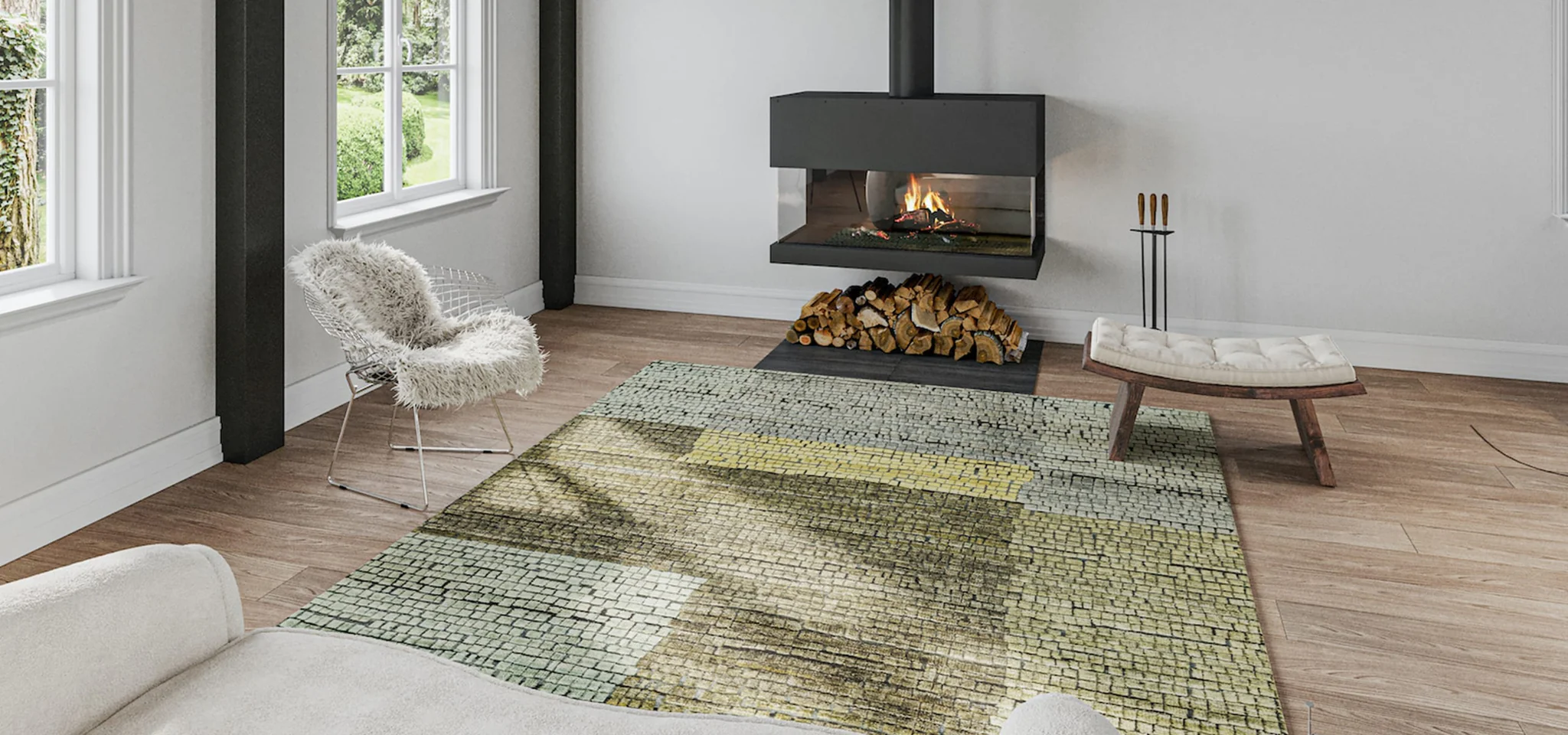
Regular vacuuming and gentle damp mopping help remove dust and grit before they can mark the finish.
Felt pads, rugs and sunlight control help reduce scratches, wear and long-term finish changes.
Standing water, steam and overly wet cleaning methods should always be avoided with engineered wood.
The best way to care for engineered wood flooring is with a simple and consistent cleaning routine. Gentle, regular care helps keep the surface fresh and reduces the risk of long-term wear.
Dust, grit and small particles can act like sandpaper on wood flooring. Use a soft-bristle broom or a vacuum cleaner with a hard-floor setting to remove dirt without scratching the finish.
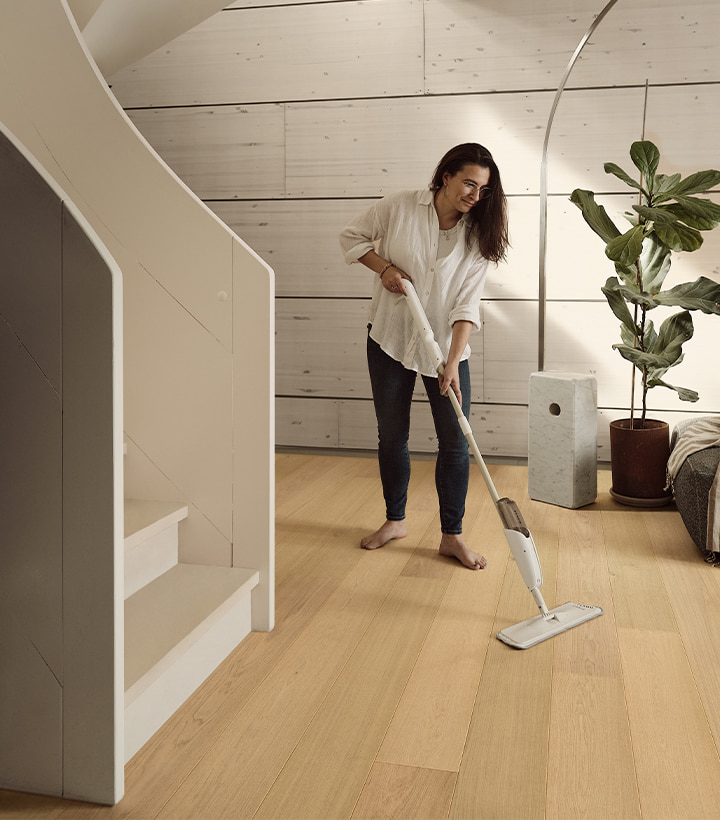
A damp, not wet, microfibre mop is ideal for routine cleaning. Use only a pH-neutral wood floor cleaner and avoid soaking the floor with water.
Wipe away spills as soon as they happen to help prevent staining, swelling or moisture getting into the surface or joints.
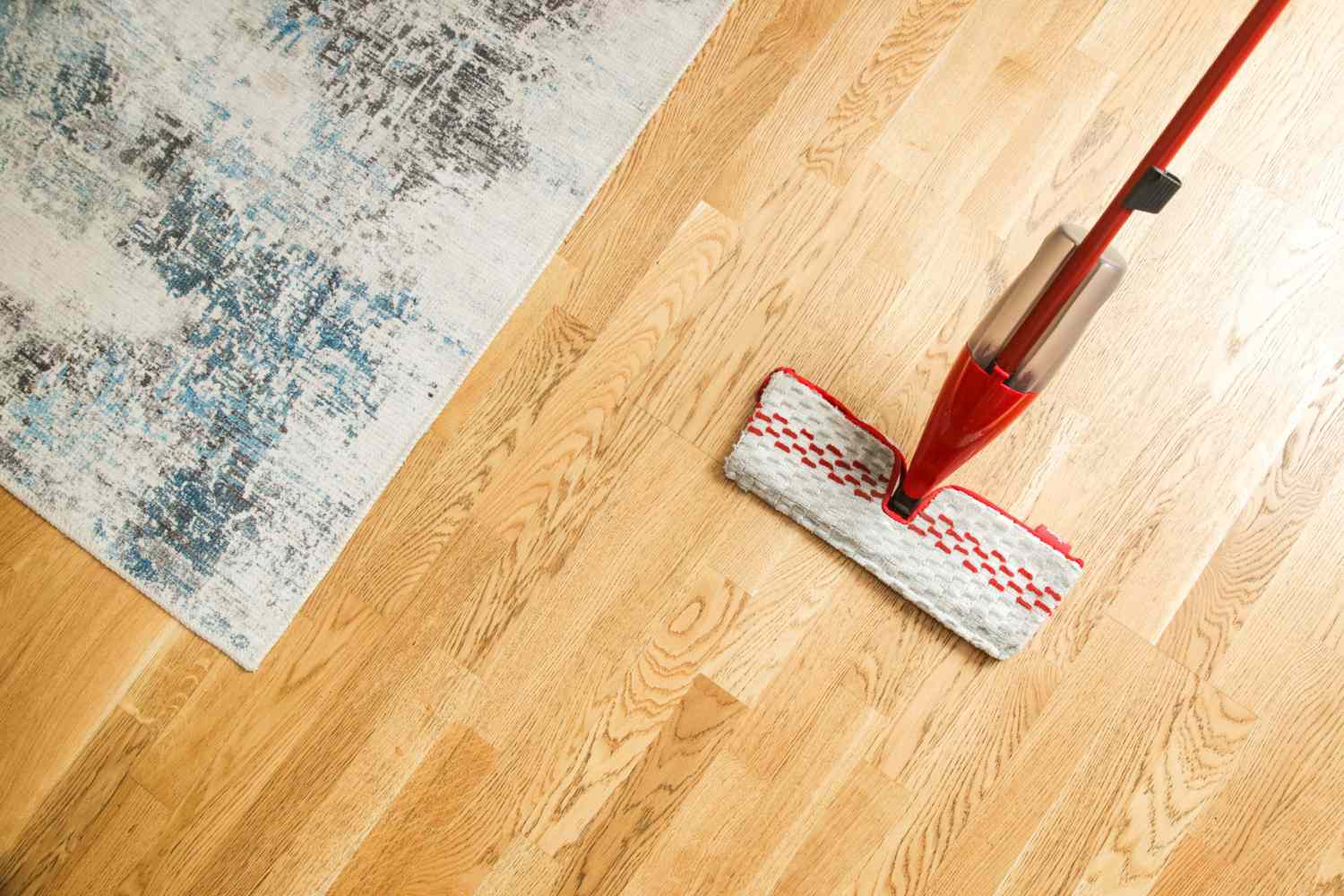
Care essentials: use a pH-neutral cleaner, a soft vacuum or broom, a microfibre mop and as little moisture as possible.
Prevention is one of the most effective ways to maintain engineered wood flooring. A few protective measures can significantly reduce scratches, dents and finish wear over time.
Chairs, tables, sofas and other heavy furniture can mark the floor if moved regularly. Felt pads help reduce abrasion and should be checked and replaced from time to time.
Hallways, kitchens and dining areas often benefit from rugs or runners that reduce daily wear and help protect the finish from micro-scratches.
Natural wood can change colour slightly over time when exposed to strong UV light. Blinds, curtains or UV-protective window film can help keep the overall tone more consistent.
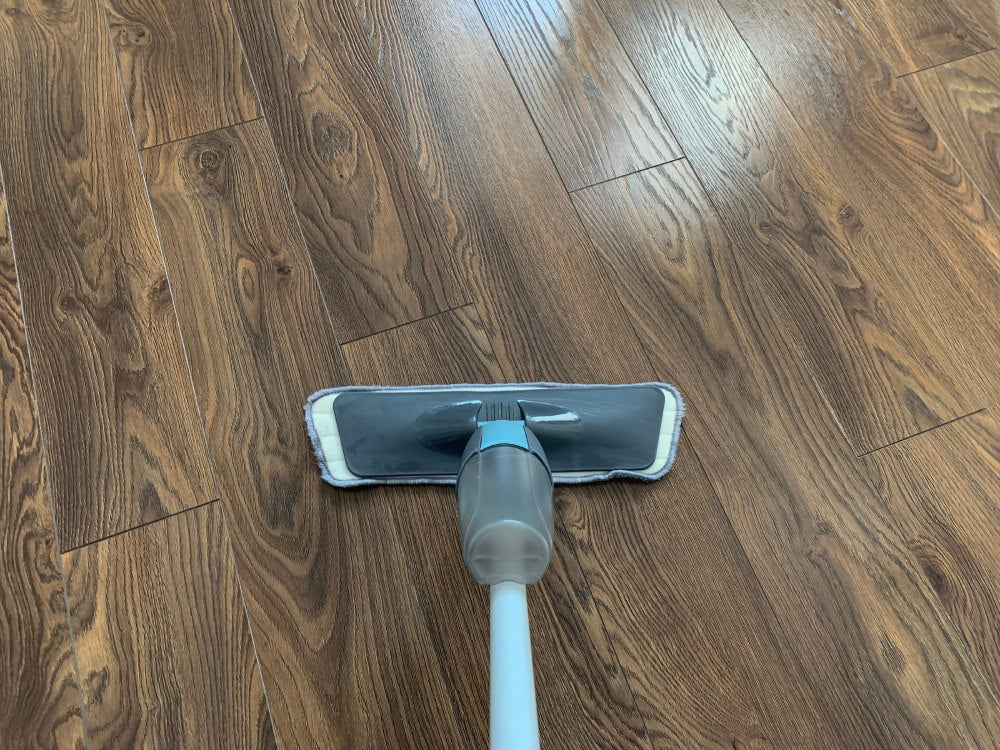
Many wood floor problems are caused by the wrong cleaning methods rather than by everyday use. Avoiding a few common mistakes will help protect your floor for much longer.
Steam can force moisture into the wood surface and joints, which may lead to swelling, movement or damage to the wear layer over time.
Bleach, ammonia, abrasive cleaners and acidic products are not suitable for engineered wood. Always use cleaners designed specifically for wood flooring.
Even a small particle trapped under a furniture leg can leave visible scratches. Always lift furniture or use suitable pads when moving it.
Some rubber materials can react with floor finishes and may cause discolouration if left in place for extended periods.
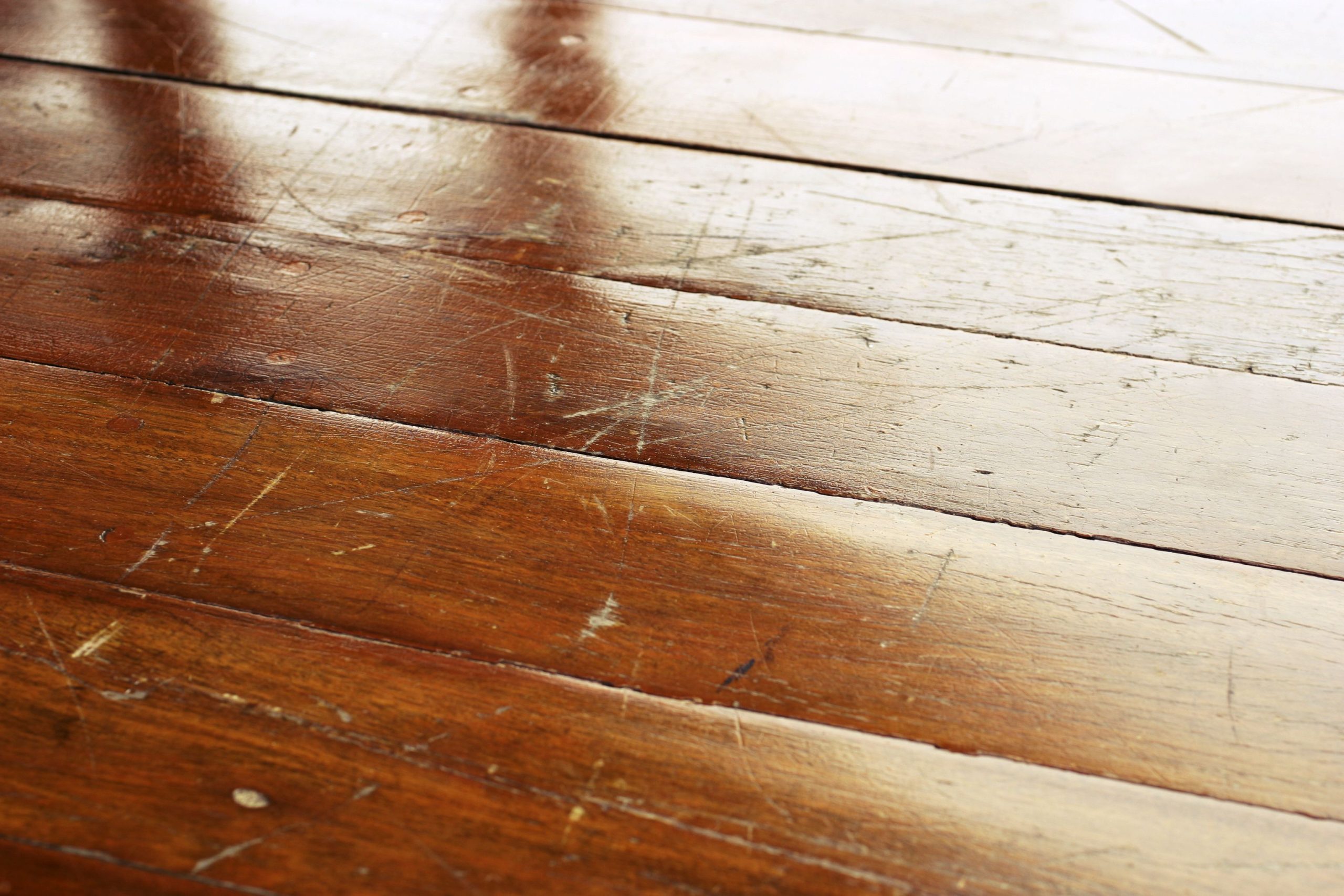
Avoid at all costs: steam cleaning, soaking wet mops, harsh chemicals and unsuitable rubber-backed mats.
With the right long-term care, engineered wood floors can remain elegant for decades. The maintenance approach depends partly on whether your floor is oiled or lacquered.
Oiled floors may need refreshing from time to time with a suitable maintenance oil. This helps support the protective surface and can revive the natural tone of the wood.
Lacquered floors are often lower maintenance day to day. If the finish becomes dull or worn, a flooring professional may be able to refresh the surface depending on the product and wear layer.
If engineered wood is installed over underfloor heating, it is important to avoid sudden temperature changes and follow the product guidelines carefully.
Keeping indoor humidity at a stable level helps reduce the risk of seasonal movement, such as gapping in winter or expansion in warmer, more humid periods.
This insert keeps the page feeling editorial while strengthening the internal pathway into expert guides and commercially relevant collection pages.
The safest method is regular vacuuming or sweeping with a soft brush, followed by a slightly damp microfibre mop and a pH-neutral wood floor cleaner.
No, steam mops should generally be avoided because excess heat and moisture can damage the floor surface and joints over time.
Regular light cleaning should be done weekly or as needed, while long-term maintenance depends on the floor finish, wear level and room use.
Use felt pads under furniture, keep grit off the surface, avoid dragging objects and use rugs in higher-traffic parts of the home.
Engineered wood flooring brings natural warmth and timeless character into the home. With the right care routine and a few simple protective habits, it can stay elegant and durable for many years.
These links are selected from topic overlap, search intent, room relevance and material relevance so readers can move through the cluster naturally.
Installation, care, warranty and technical pages support the same buying decision without pulling the reader out of the Homes & Floors ecosystem.
Commercial pathways are mapped to the article topic, helping readers compare the right product families once they understand the design and practical trade-offs.
Explore matching collections, compare finishes and order samples so the decision is based on your room, your light and your daily use.
Choose the next step that fits you best: browse the range, speak to our team, or get practical updates for your project.
Plan smarter
Get ideas, advice and updates
Room inspiration, practical advice, selected offers and useful updates for your project.
We use essential cookies for secure browsing and core site functionality, plus optional cookies for analytics and marketing to improve your experience, understand site usage and support relevant campaigns.