
Your Basket 0
Your basket is empty
Browse our collections and find your perfect floor.
Browse our collections and find your perfect floor.
A clear guide to preparing, planning and fitting luxury vinyl tile flooring, including both Luxury Rigid Vinyl and Glue Down LVT systems. Use this page to understand the key site conditions, subfloor requirements and fitting principles before installation begins.
This guide covers both click-based Luxury Rigid Vinyl floors and traditional Glue Down LVT installations.
The subfloor must be dry, clean, stable and level before fitting. Uneven bases can affect performance and finish.
Every plank or tile should be inspected before installation. Do not fit any board with visible faults, damage or finish issues.
LVT flooring is designed to combine durability, comfort and modern design flexibility, but correct preparation is still essential for a clean, long-lasting result. Good subfloor preparation, careful board inspection and the right installation method all contribute to the final finish.
This page gives a clear overview of best practice before fitting begins, whether you are working with a rigid click system or a glue down LVT floor.

Our LVT range includes two main installation approaches, each with its own practical advantages depending on the room, subfloor and project requirements.

A click-based rigid core system designed for fast installation, dimensional stability and everyday practicality. This option is ideal where a floating installation method is preferred.

A fully bonded LVT system that offers excellent floor-to-subfloor contact and a refined, low-profile finish when installed over a properly prepared base.
LVT flooring should be installed only once the room is ready and the site conditions are stable. The flooring should be one of the final stages in the project, after wet trades and major construction work are complete.
All planks or tiles should be inspected before fitting for colour, finish and visible defects. For the best visual result, boards should be blended from multiple packs rather than laid one box at a time.
Even though LVT is practical and more forgiving than real wood, subfloor preparation still matters. A poor base can affect the appearance, feel and long-term performance of the floor.
The subfloor must be dry, stable, clean and level before any LVT installation begins. Uneven bases can create movement, reduce locking performance and affect the final visual finish.

LVT performs best on a clean, dry and level base. See the subfloor guide for extra detail.
LVT flooring may be installed in different ways depending on the construction of the product and the condition of the subfloor. The two main systems in this range are Luxury Rigid Vinyl and Glue Down LVT.
This is generally installed as a floating click system. Boards lock together and sit above the prepared subfloor, allowing for a faster and cleaner fitting process when site conditions are suitable.
This method uses adhesive to bond the tiles or planks directly to the subfloor. It requires a well-prepared, very smooth base and is ideal where a more fixed, low-profile finish is preferred.
The correct method depends on the product construction, the room and the subfloor. Always match the flooring type to the correct fitting method before installation begins.
While the exact fitting approach depends on whether the product is rigid click or glue down, the overall preparation and installation flow remains similar.
Check all boards or tiles, confirm room conditions and make sure the subfloor is clean, level, dry and suitable for installation.
Set your starting line, consider the final row width and blend material from multiple packs for a balanced visual finish.
Use the correct click or glue down system for the product, maintaining tight joints, accurate alignment and clean edges.
Complete trims and transitions properly, then protect the newly installed floor while the room returns to normal use.
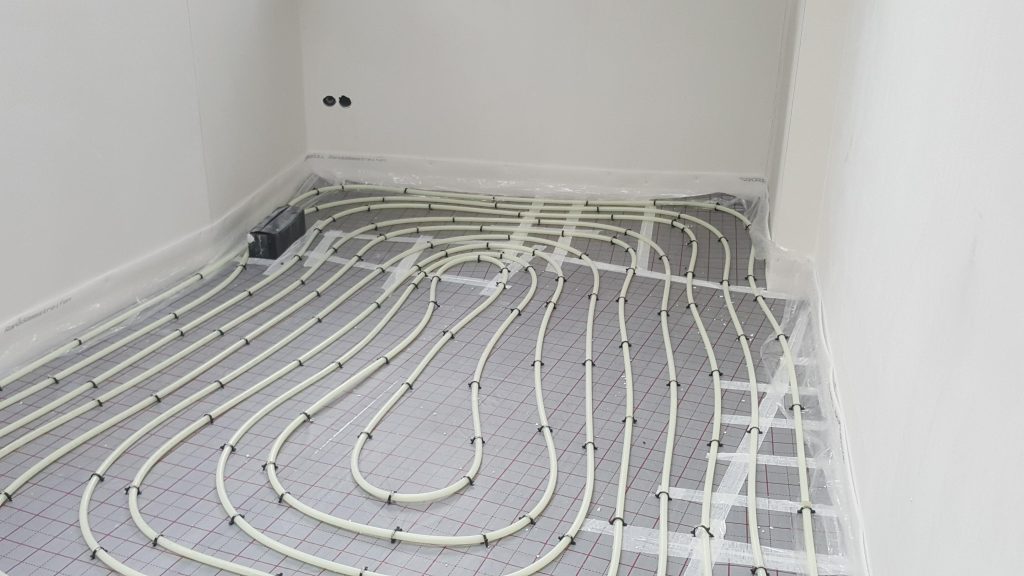
Some LVT floors may be suitable over underfloor heating systems, but temperature control and correct system type remain important. The system should be suitable for the flooring product and correctly installed beneath the subfloor structure where required.
Luxury rigid vinyl and glue down LVT may have different installation considerations over heated subfloors, so product-specific guidance should always be followed.
Once installed, the floor should be kept clean and protected while the space returns to normal use. Furniture and appliances should be moved carefully, and the floor should not be exposed to unnecessary abrasion or residue during finishing works.
Stable room conditions help protect long-term flooring performance after installation.
LVT flooring should always be checked before installation. Once fitted, products are generally considered accepted in appearance and finish. Careful site preparation, correct layout planning and the right installation method all contribute to the final result.
The main difference between the two systems is the fitting approach: Luxury Rigid Vinyl is typically a click-based floating floor, while Glue Down LVT is fully bonded to the subfloor and depends more heavily on a perfectly prepared base.
We strongly recommend following the correct installation method for the exact LVT system selected and reviewing the relevant product details before arranging fitting.
If you are unsure whether Luxury Rigid Vinyl or Glue Down LVT is more suitable for your project, our team can help you choose the best option before you place your order.
Choose the right fitting and installation guide for your flooring type. You can also jump back to the main Expert Flooring Guide hub to browse every collection in one place.

The foundation of a perfect floor starts below the surface. Learn how to assess, prepare and improve your subfloor before installation to achieve a stable, long-lasting and professional…
Open next guideThese hand-picked related guides strengthen the journey between installation, technical advice, room climate and ongoing floor care.
These article links are pulled from the Homes & Floors article hub so the guide pages connect back into broader buying advice, comparisons and care content.

Choose the next step that fits you best: browse the range, speak to our team, or get practical updates for your project.
Plan smarter
Get ideas, advice and updates
Room inspiration, practical advice, selected offers and useful updates for your project.
We use essential cookies for secure browsing and core site functionality, plus optional cookies for analytics and marketing to improve your experience, understand site usage and support relevant campaigns.