Keeping the natural character of an oiled floor
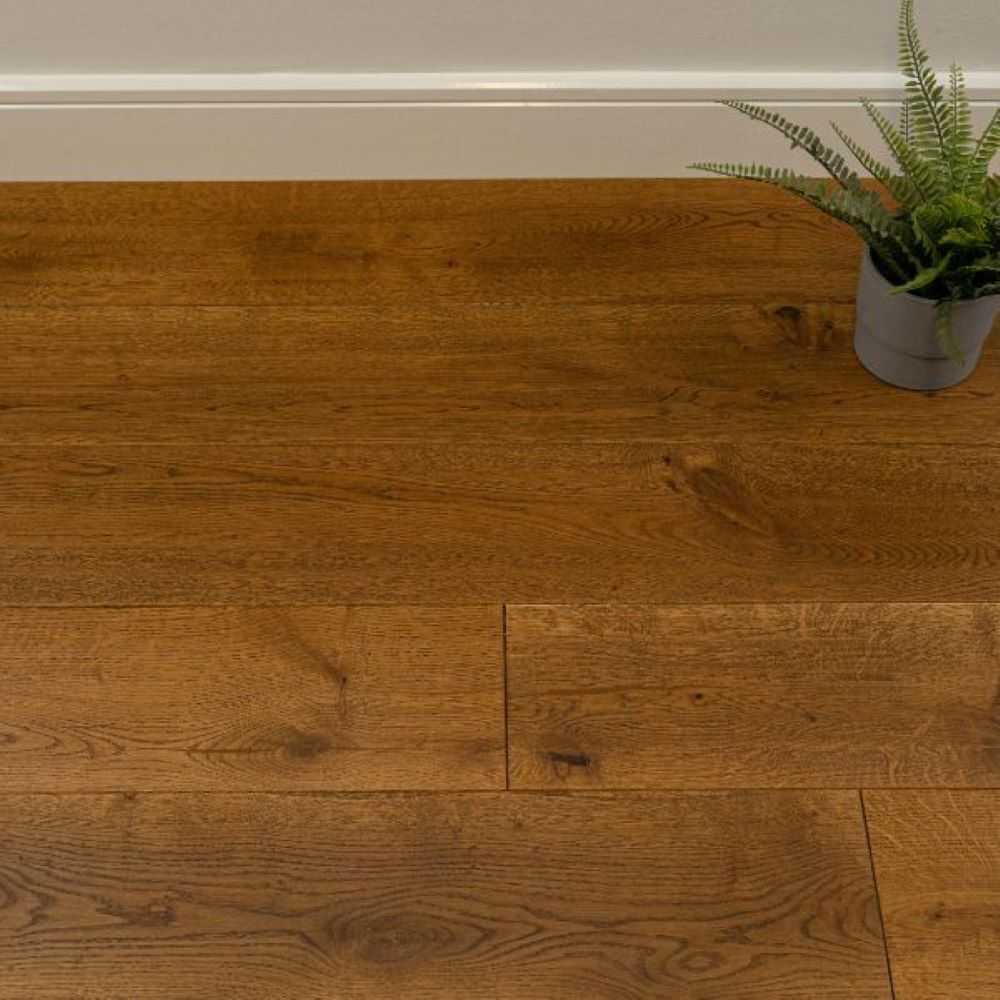
Oiled wood flooring is valued for its natural look, tactile finish and soft low-sheen appearance. Unlike lacquered surfaces, an oiled floor is designed to be maintained and refreshed over time rather than simply cleaned on the surface.
The care routine is still simple, but it needs the correct products and a little more attention to long-term maintenance. Regular dry cleaning, fast spill removal and occasional maintenance oil will help keep the floor looking rich and well protected.

Oiled wood flooring has a natural, open look that benefits from the right cleaning routine and occasional maintenance refreshes.
Daily and weekly cleaning
The best everyday care for oiled wood floors is simple and low-moisture. Dust, grit and debris should be removed regularly before they can scratch or wear the surface.
- Sweep or vacuum the floor regularly with a soft attachment.
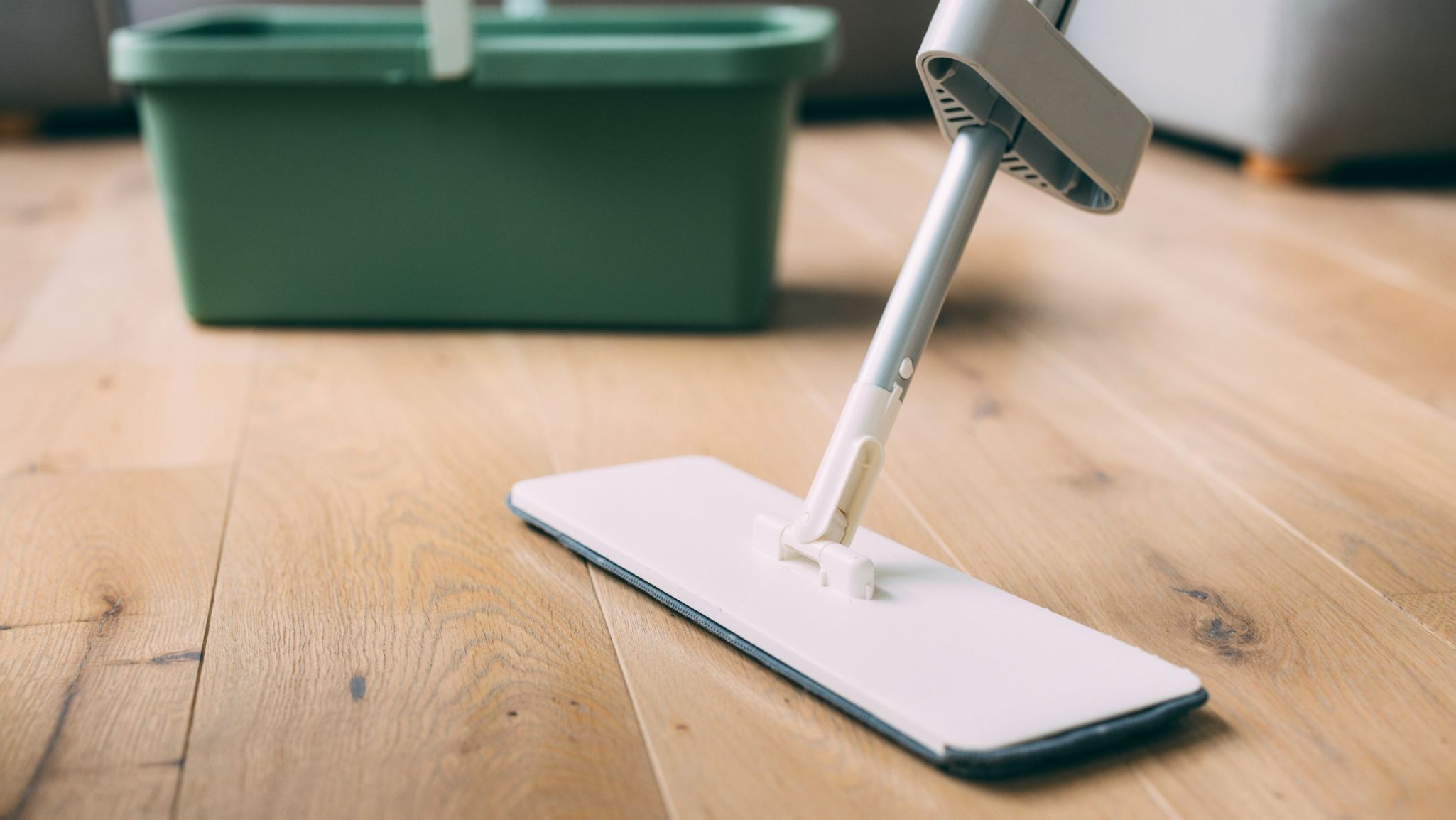
- Use a dry mop or soft microfibre cloth for routine cleaning.
- Wipe spills straight away with a dry or only slightly damp cloth.
- Always wipe the surface dry immediately after any damp cleaning.
Oiled wood floors should never be left wet. Standing moisture can mark the surface, stain the wood and affect long-term stability.
When to use maintenance oil
One of the key differences with oiled flooring is that the surface may need refreshing over time. This is especially true in high-traffic areas such as kitchens, hallways, living rooms and dining spaces.
Typical signs that the floor needs refreshing
- The surface starts to look dry, flat or tired.
- High-use areas appear duller than the rest of the room.
- Water no longer beads lightly on the surface.
- The wood looks less nourished than when first installed.
Best practice
- Remove dust and debris fully before applying maintenance oil.
- Use a finish-appropriate maintenance oil system recommended for the floor.
- Test on a small, discreet area first where necessary.
- Allow the floor to dry properly before resuming heavier traffic.
Oiled floors do not always need full re-finishing. In many cases, a local or full-room maintenance oil refresh is enough to restore the look and protection of the surface.
How to protect an oiled wood floor
Oiled surfaces are beautiful and practical, but like all real wood floors they benefit from a few simple protective habits.
Do
- Use entrance mats to reduce dirt and grit.
- Fit felt pads or protective glides under furniture legs.
- Trim pet nails to reduce scratching.
- Protect the floor when moving heavy furniture.
- Use a rug near sinks or other splash-prone areas where suitable.
Avoid
- Dragging furniture directly across the surface.
- Letting water build up around kitchens or entrances.
- Using sharp heels, cleats or similar footwear on the floor.
- Allowing dirt to collect under chairs, mats or heavy furniture.
What not to use on oiled wood flooring
Oiled floors should never be treated with random household products. Incorrect cleaners can strip the surface, leave residue or interfere with future maintenance oil treatments.
- Do not use steam cleaners.
- Do not wet mop the floor with excess water.
- Do not use bleach, harsh detergents or abrasive chemicals.
- Do not use generic household cleaners that are not suitable for oiled wood.
- Do not use the wrong polish or film-forming surface product.
The safest approach is always to use professional wood floor care products that are suitable for oiled finishes and follow the product instructions carefully.
Natural oiled and UV oiled floors
Both natural oiled and UV oiled floors fall under the wider category of oiled wood care, but there can be small differences in maintenance systems depending on the original finish used by the manufacturer.

Natural oiled wood
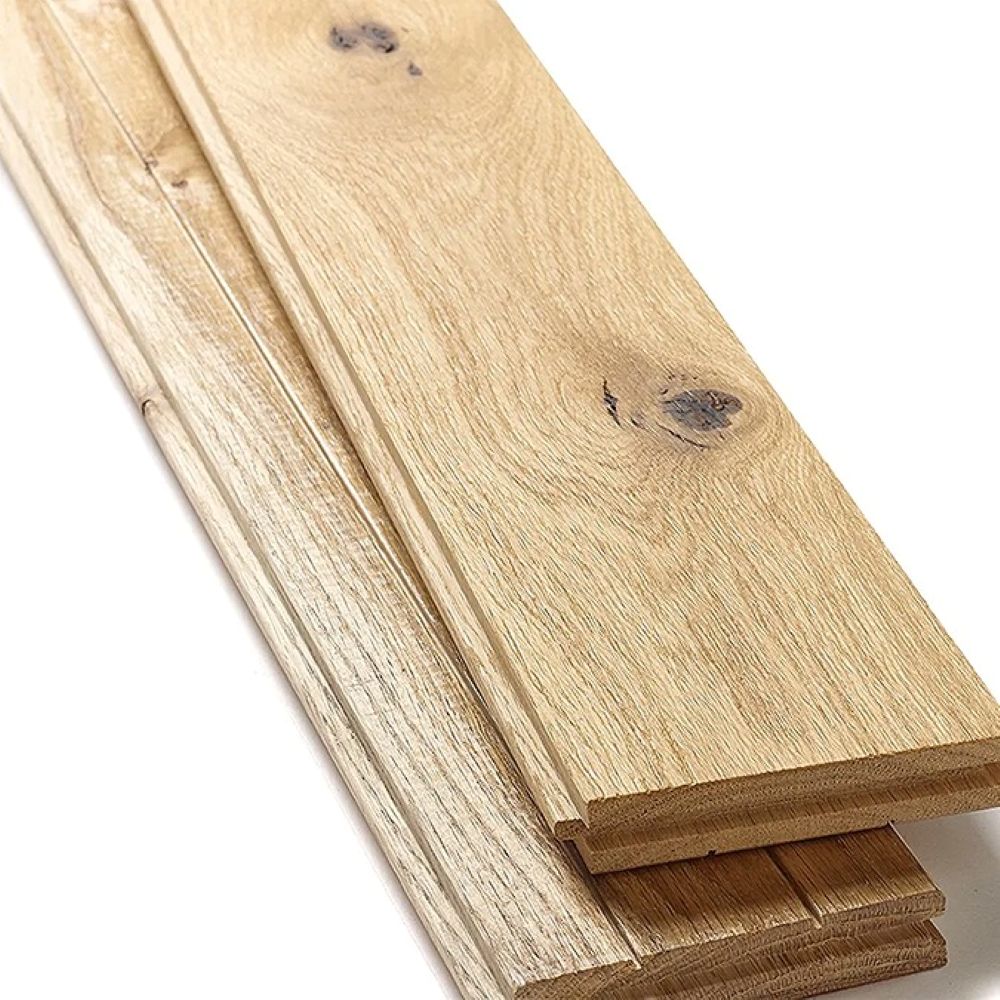
Natural oiled floors often benefit from periodic re-oiling over time, especially when the surface begins to look dry or worn in high-use areas.
UV oiled wood
UV oiled floors still need gentle cleaning and occasional maintenance, but the exact refresh products should always match the surface system used on the floor.
Minor marks and local repairs
One of the advantages of many oiled floors is that local maintenance and small touch-ups are often more manageable than with sealed film finishes. Small worn areas, light surface marks or minor stains may sometimes be improved without refinishing the full room.
Typical approach
- Clean the affected area first using the correct care product.
- For more stubborn marks, a very light local preparation may be needed depending on the finish system.
- Apply the appropriate maintenance oil carefully and allow proper drying time.
- Always test first where needed and follow the specific product instructions.
If the floor has heavy wear, deep staining or widespread surface fatigue, professional advice may be the best next step before carrying out repairs.
Need help with the right oil care product?
If you are unsure which cleaner, maintenance oil or refresh system is suitable for your oiled wood floor, our team can help you choose the right option before you begin.