
Simple care makes a lasting difference
Wood flooring is easy to maintain when it is cleaned correctly and protected from unnecessary wear. Most long-term damage comes not from everyday use, but from grit, standing moisture, unsuitable products or unstable room conditions.
A good care routine does not need to be complicated. Regular dry cleaning, fast spill removal and basic protection around furniture and entrances will keep the floor looking better for longer.
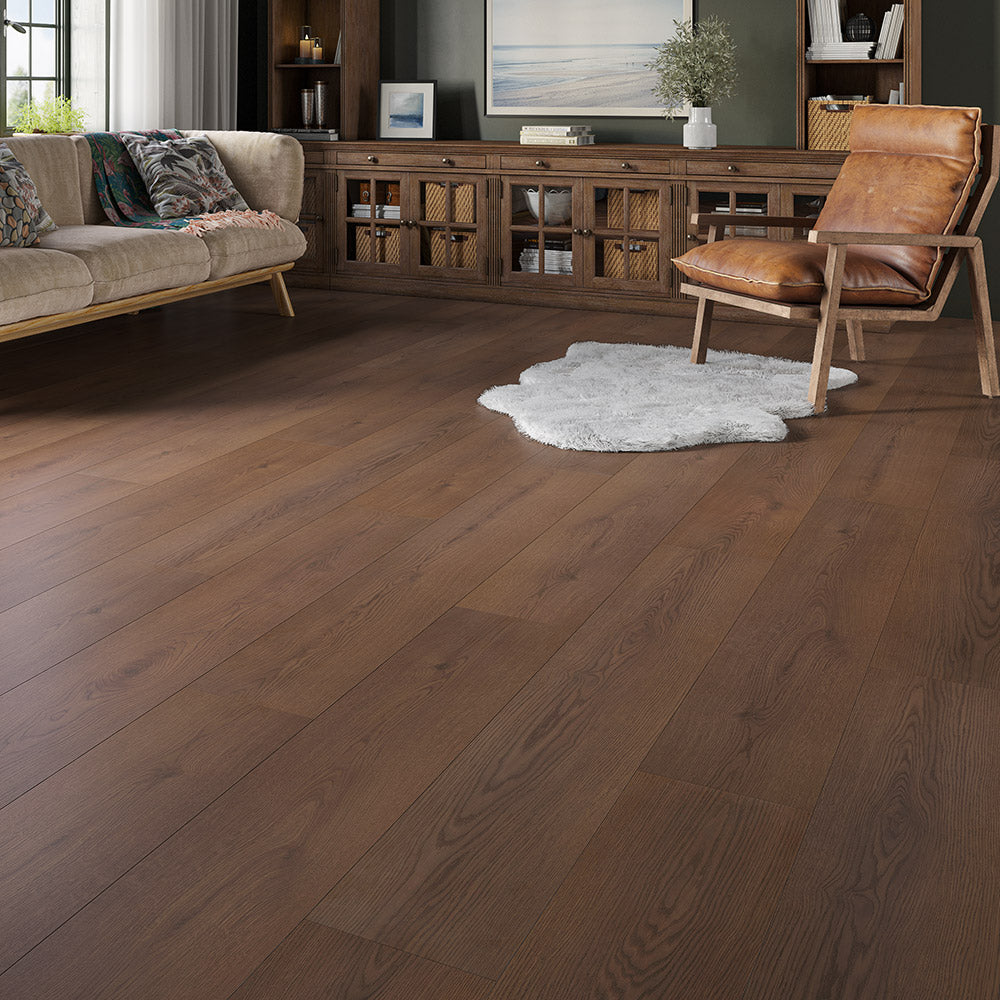
Daily and weekly cleaning
The most effective routine for wood flooring is simple: remove dust, grit and debris regularly before they can dull or scratch the surface.
- Sweep, dust mop or vacuum regularly using a soft floor attachment.
- Do not use a beater bar or rotating brush head on wood floors.
- Use a slightly damp cloth only where necessary for local marks or small spills.
- Always wipe the surface dry immediately if any moisture is used.
Standing moisture is one of the most common causes of avoidable damage. Spills should always be removed promptly and the floor should never be left wet.
Periodic cleaning and refresh care
In addition to routine sweeping or vacuuming, wood flooring may be cleaned periodically with an approved wood floor cleaner suitable for its finish. The floor should never be soaked, and harsh cleaners should always be avoided.
Best practice
- Use only professional wood floor cleaning products or finish-appropriate maintenance systems.
- Apply with a lightly damp mop or cloth, never with excess water.
- Clean the surface before dirt becomes ingrained.
- For oiled or hard wax oiled floors, refresh products may be needed from time to time depending on wear.
Different finishes need different products
Not all wood flooring finishes should be treated the same way. Lacquered, oiled and hard wax oiled floors each have different maintenance needs, so it is important to use the correct care system for the specific finish.
How to protect your wood floor
Protecting the floor from dirt, scratching and heavy point pressure is just as important as cleaning it correctly.
Do
- Use quality mats at entrance areas.
- Fit felt pads or floor protectors under furniture legs.
- Use protective boards when moving heavy furniture or appliances.
- Trim pet nails to reduce scratching.
- Rearrange rugs and furniture occasionally for more even ageing.
Avoid
- Dragging heavy furniture directly across the floor.
- Walking on the floor with sharp heels, cleats or similar footwear.
- Letting grit build up at entrances or under furniture.
- Using mats with unsuitable rubber or foam backing where discolouration may occur.
What not to use on wood flooring
Many problems come from using the wrong products rather than from normal wear. Wood floors should not be treated like tile, vinyl or other hard surfaces.
- Do not wet mop the floor with excessive water.
- Do not use steam cleaners.
- Do not use harsh household chemicals, bleach or abrasive cleaners.
- Do not use steel wool, scouring pads or aggressive scrubbing tools.
- Do not use generic polish, wax or “mop and shine” products unless they are specifically suitable for the finish.
Unsuitable products can dull the finish, leave residue, make the surface slippery or create a build-up that is difficult to remove later.
Different wood floor finishes
General care advice applies to most wood floors, but some finishes require their own maintenance approach. This is why it is useful to separate your care pages by finish type.
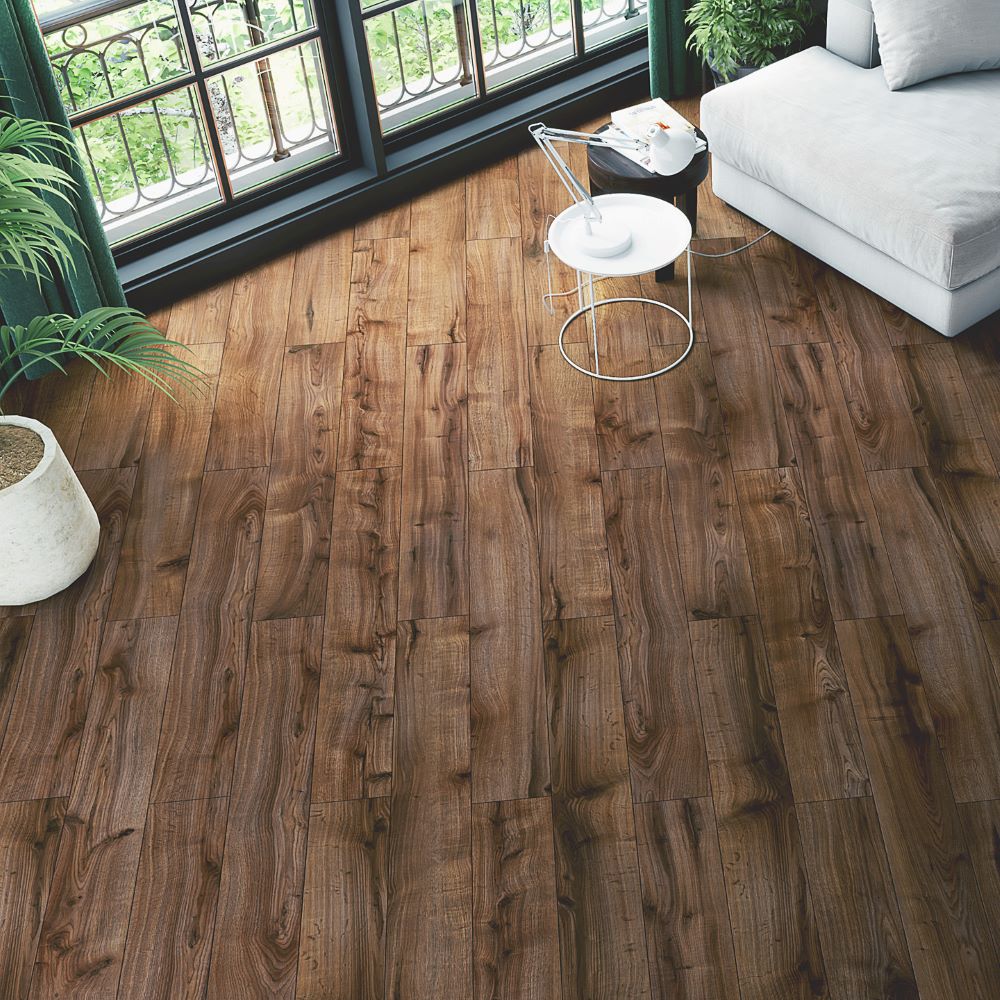
Lacquered wood
Usually the easiest to clean day to day. The focus is on regular dust removal, prompt spill wiping and avoiding abrasive or high-moisture cleaning methods.
Oiled & hard wax oiled wood
These finishes may need periodic refresh treatments or maintenance oil depending on wear. They should always be cleaned using finish-appropriate products.
Long-term care and room conditions
Wood is a natural product and will respond to its environment. Stable indoor conditions help reduce excessive shrinkage, expansion and visible movement over time.
- Maintain a balanced indoor humidity level where possible.
- Use a humidifier or dehumidifier if seasonal conditions become extreme.
- Protect the floor from repeated moisture exposure around sinks and entrances.
- Be aware that sunlight may naturally soften or deepen the tone of the wood over time.
A well-maintained room climate and a simple care routine are often the two most important factors in keeping a wood floor looking premium for years.
Need help with the right care product?
If you are unsure which cleaner or maintenance system is suitable for your flooring finish, our team can help you choose the right option before you start.