
Samples available UK-wide delivery Expert advice
Pro Portal

Your Basket 0

Your basket is empty

Browse our collections and find your perfect floor.

Subtotal £0.00
SSL Encrypted · Safe & Secure
Expert flooring advice

Porcelain vs Ceramic Tiles – Which Is Better?

A practical guide to the difference between porcelain and ceramic tiles, including durability, water resistance, cost, installation and the best rooms for each option in a modern home.

Durability Porcelain is generally denser, harder and better suited to demanding floors and high-traffic areas.
Water resistance Porcelain usually offers lower water absorption, making it the stronger choice for wet or moisture-prone rooms.
Cost & fitting Ceramic tiles are often easier to cut, quicker to fit and more accessible for budget-conscious projects.
Overview

Porcelain vs ceramic at a glance

Porcelain and ceramic tiles can look similar at first glance, but they perform differently in real-life use. Porcelain is denser, harder and more water-resistant, while ceramic tiles often offer excellent value, easier installation and strong design flexibility for interior walls and decorative spaces.

Both are strong options, but they are usually chosen for slightly different purposes. Porcelain often performs better on busy floors and in wet areas, while ceramic is frequently ideal for walls, splashbacks and more design-led interior projects.

01

Porcelain

Stronger, denser and more resistant to wear, moisture and demanding daily use.

02

Ceramic

Lighter, easier to cut and often more cost-effective for decorative interior applications.

03

Best choice

The better option depends less on looks and more on where the tile will actually be used.

Section 1

What are porcelain tiles?

Porcelain tiles are made from refined clay and fired at very high temperatures. This creates a dense, strong and highly water-resistant tile that performs extremely well in modern homes.

Because of their structure, porcelain tiles are especially suitable for flooring in kitchens, bathrooms, hallways and other busy spaces. Many porcelain tiles are also suitable for outdoor use when they are specifically manufactured for that purpose.

  • Very durable and resistant to wear
  • Low water absorption and strong moisture performance
  • Suitable for many indoor floors and some outdoor areas
  • Available in stone, marble, wood and concrete effects
  • Excellent for underfloor heating and large-format designs
Green marble-effect porcelain tiles in a contemporary bathroom
Porcelain tiles are often chosen where strength, moisture resistance and a more demanding performance level are important.
Strength Hard-wearing and dense
Use Floors, wet areas, outdoors
Look Stone, marble, wood, concrete effects

Best for: kitchen floors, bathrooms, wet rooms, hallways, utility rooms and suitable outdoor terraces or patios.

Section 2

What are ceramic tiles?

Ceramic tiles are also made from clay, but they are usually fired at lower temperatures and are generally less dense than porcelain. As a result, they are often lighter, easier to cut and more affordable.

Ceramic tiles are a popular choice for bathroom walls, splashbacks and decorative interior surfaces. Some ceramic products can also be used on lower-traffic floors, depending on the specification and room use.

  • Good value for money
  • Easier and quicker to cut and install
  • Ideal for walls, splashbacks and decorative features
  • Available in many colours, shapes, sizes and finishes
  • Suitable for selected indoor floors in lighter-use areas
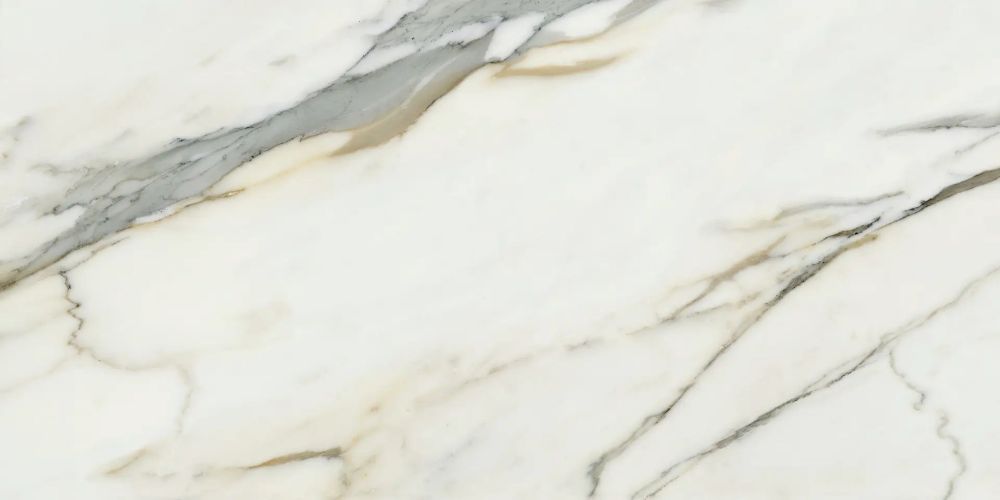
Marble-effect ceramic tiles with grey and gold veining
Ceramic tiles are often preferred where easier fitting, decorative flexibility and value matter more than maximum strength.
Value Often more budget-friendly
Best in Walls, splashbacks, features
Benefit Easier to cut and install

Best for: bathroom walls, kitchen splashbacks, feature walls and decorative low-traffic interior spaces.

Section 3

What is the main difference between porcelain and ceramic tiles?

The biggest difference between porcelain and ceramic tiles is density. Porcelain is denser and generally more durable, while ceramic is lighter and often easier to work with.

This affects performance in real homes. Porcelain usually handles moisture, wear and outdoor conditions better, while ceramic can be the smarter choice where decorative flexibility, easier installation and lower cost matter more.

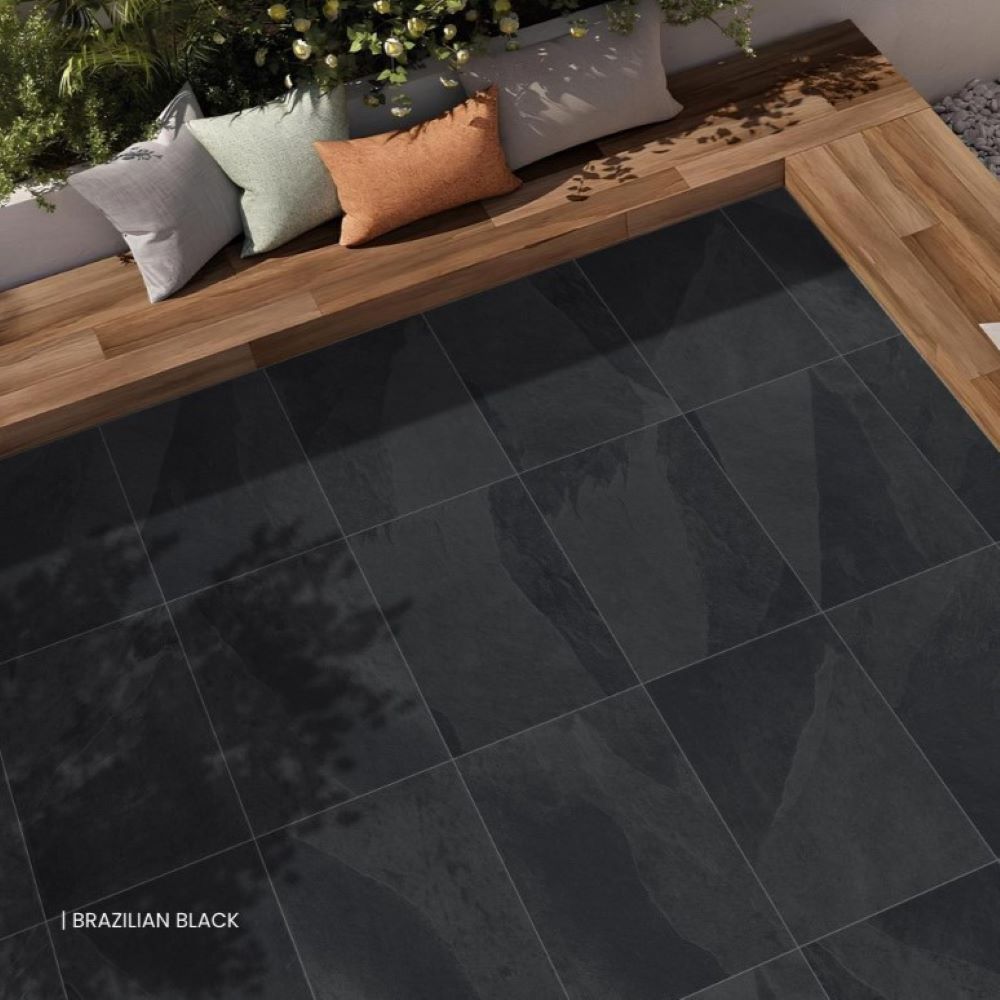
Brazilian black outdoor porcelain tiles in a modern patio setting
Porcelain tends to be the stronger all-round performer, while ceramic often wins on ease of installation and decorative flexibility.
  • Porcelain is stronger and usually better for busy floors
  • Ceramic is easier to cut and often more affordable
  • Porcelain performs better in wet areas and outdoor settings
  • Ceramic is often ideal for wall applications and design-led details
Comparison

Porcelain vs ceramic side by side

This quick comparison table highlights the main differences between porcelain and ceramic tiles in terms of cost, installation effort and the rooms where they perform best.

Tile type Typical material price Installation effort Ideal use
Porcelain tiles Approx. £25–£70 per m² Higher, as porcelain is denser and can require stronger tools and more specialist cutting Kitchen floors, bathrooms, hallways, utility rooms and outdoor terraces where suitable
Ceramic tiles Approx. £10–£40 per m² Lower, as ceramic is often easier to cut, handle and fit Walls, splashbacks, decorative areas and selected lower-traffic interior floors
Section 4

Which tile is better for kitchens, bathrooms and walls?

The best tile depends on the room and how the surface will be used. In most cases, porcelain is the stronger all-round choice for floors, while ceramic remains an excellent option for many wall applications.

Kitchens, bathrooms and hallways usually benefit from porcelain tiles because of their durability and moisture resistance. Ceramic tiles are especially popular for shower walls, splashbacks and feature walls where design flexibility and easier installation matter more than heavy-duty performance.

  • Kitchens: porcelain is often the better choice for floors
  • Bathrooms: porcelain is ideal for floors, while ceramic can work beautifully on walls
  • Hallways: porcelain is usually preferred because of heavier foot traffic
  • Walls and splashbacks: ceramic is often a very practical and stylish option
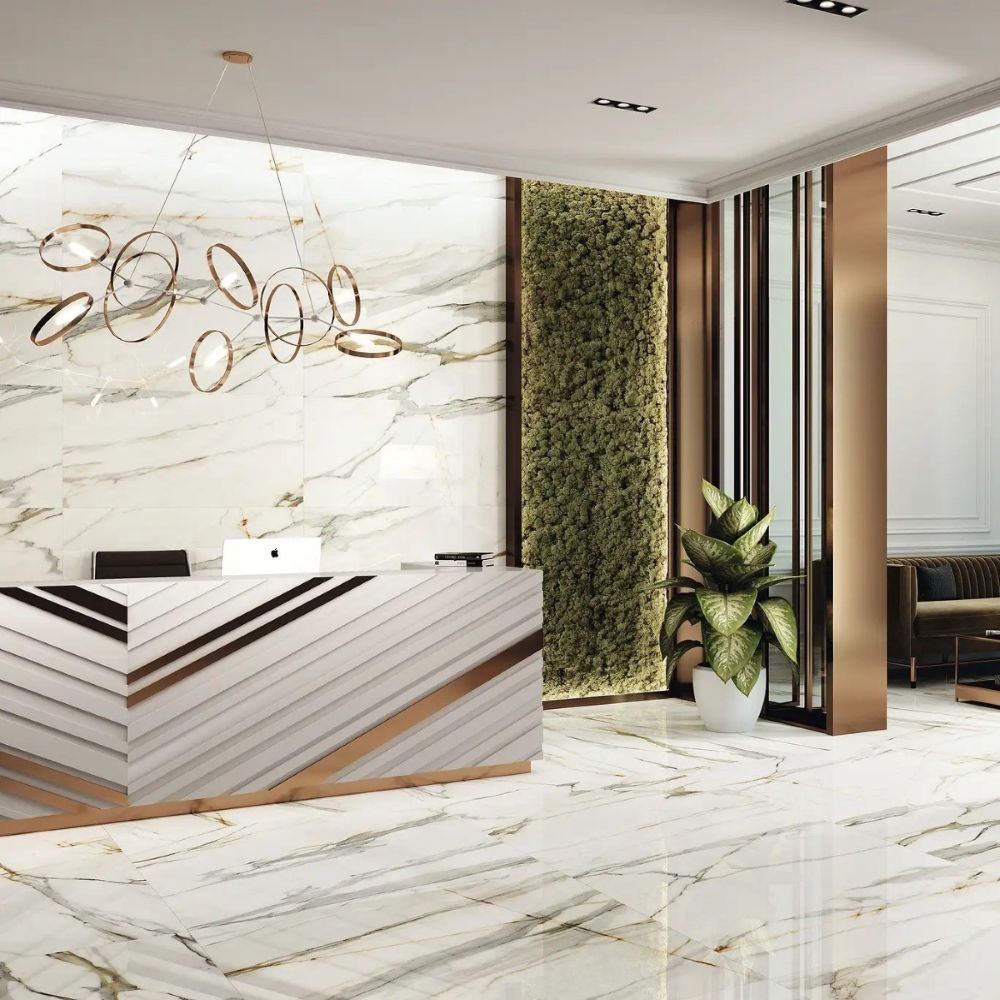
Glossy marble-effect ceramic tiles in a luxurious bathroom
In many homes, the strongest solution is not porcelain or ceramic everywhere, but the right mix for each surface.
Kitchens Porcelain floors usually perform best
Bathrooms Porcelain floors, ceramic walls
Walls Ceramic is often the practical design choice
Section 5

Maintenance and cleaning

Both porcelain and ceramic tiles are considered low-maintenance surfaces, which is one of the main reasons they remain so popular in bathrooms, kitchens and utility spaces.

Porcelain tile care

Porcelain tiles are easy to clean with regular sweeping or vacuuming followed by mopping with warm water and a neutral cleaner. Their dense surface makes them especially resilient in family homes.

Ceramic tile care

Ceramic tiles are also easy to maintain, although glossy surfaces should be cleaned gently to avoid unnecessary abrasion. In both cases, grout lines may need occasional deeper cleaning.

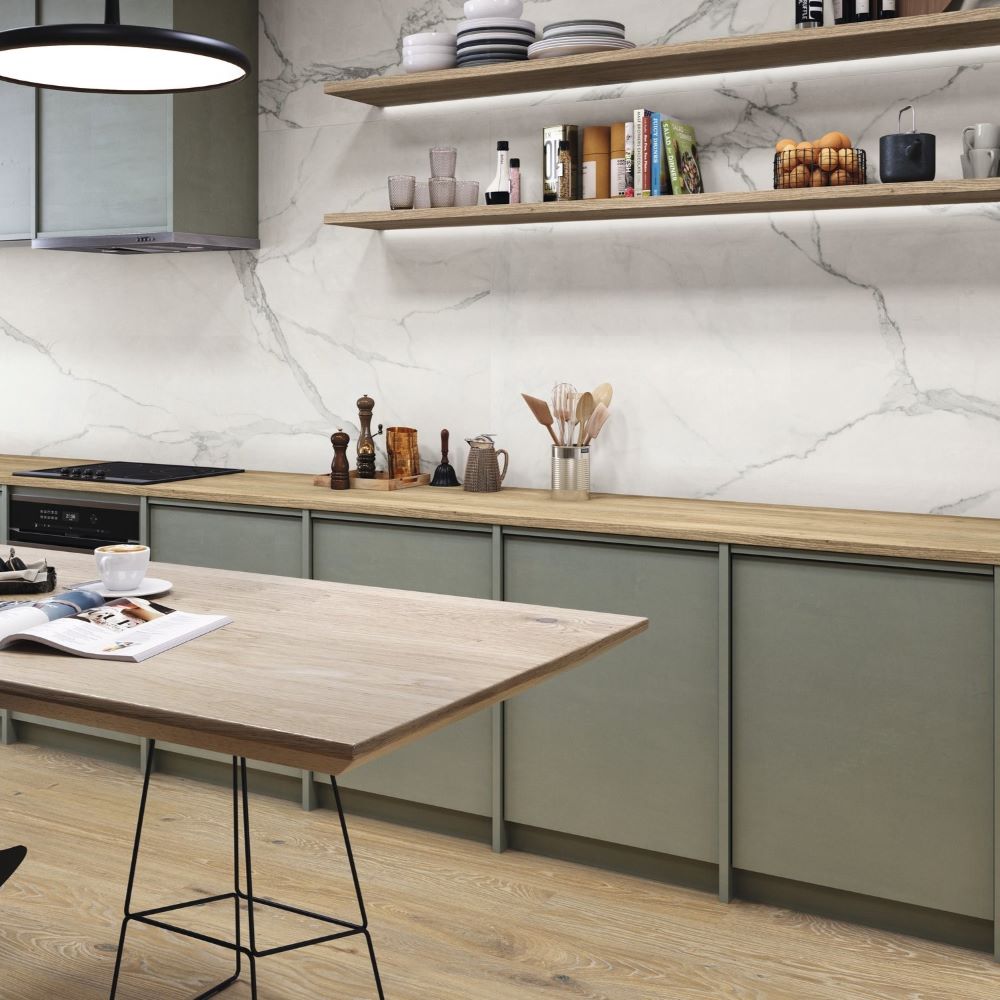
Bright interior with easy-to-maintain porcelain tiles
Both tile types are easy to live with, but porcelain generally copes better with heavier wear and long-term moisture exposure.

Good to know: both surfaces are easy to maintain, but porcelain usually has the edge in more demanding conditions.

FAQs

Frequently asked questions about porcelain vs ceramic tiles

Are porcelain tiles better than ceramic tiles?

Porcelain tiles are usually better for demanding floors, wet areas and outdoor use because they are denser and more water-resistant, while ceramic tiles are often better for walls and budget-led projects.

Which is cheaper, porcelain or ceramic?

Ceramic tiles are often cheaper to buy and easier to install, which can make the total project cost lower.

Can ceramic tiles be used on floors?

Yes, some ceramic tiles can be used on interior floors, especially in lighter-use areas, but the exact product specification should always be checked first.

Can porcelain tiles be used outdoors?

Yes, many porcelain tiles are suitable for outdoor use, but you should choose a product specifically designed for external conditions and slip resistance where needed.

Compare the right tile options for your project

In summary, porcelain tiles are usually the stronger choice for durability, water resistance and long-term performance, especially on floors and in wetter or more demanding areas. Ceramic tiles remain an excellent option for walls, splashbacks and more decorative applications where ease of fitting and budget are key.

More articles Expert guides Case studies Shop collections
Product Comparisons

Porcelain vs Ceramic Tiles – Which Is Better?

Compare durability, water resistance, installation needs and ideal room suitability before choosing. This V4 layer is designed to feel like part of the article architecture rather than a block tacked on after the body, so the internal linking, product discovery and guide journey all sit inside one cleaner commercial frame.

Shop relevant floors View expert guides Browse more articles
Why this converts better
Stronger intent matchingReaders can move from research into the right product family, not just a generic shop page.
Cleaner topic depthRelated articles and guides expand the same decision journey with visual cards and stronger context.
Better internal linkingArticles, guides, case studies and collections are tied together in one clearer SEO pathway.

Continue the same research journey

These article links stay close to the topic of the current page, so users and search engines move through a tighter cluster instead of jumping into unrelated content.

Product Comparisons

SPC vs LVT – Which Is Better?

A clear comparison of comfort, stability, waterproof performance and everyday practicality.

Read article
Product Comparisons

Laminate vs LVT – Which Flooring Suits Your Space?

Compare price point, feel underfoot, water resistance and best-use scenarios for both options.

Read article
Featured Guides

How to Choose the Right Floor for Your Home

A practical starting-point guide to choosing flooring based on room type, lifestyle, durability and maintenance needs.

Read article

Deepen trust with expert guides

Guide cards pull users into installation, maintenance, technical and warranty content so the article ecosystem feels more authoritative and complete.

Technical

Subfloor Requirements

Everything you need to know about subfloor flatness, dryness and structural stability.

View guide
Technical

Underfloor Heating Guide

Safe installation advice for use over underfloor heating, including temperature control rules.

View guide
Technical

Moisture & Humidity

Room-climate guidance to help maintain long-term flooring stability and performance.

View guide

Move from education into shopping

These collection links are mapped to the article topic, so the commercial next step feels natural rather than pushy.

Shop

Shop Porcelain Tiles

Compare premium porcelain looks across stone, marble and concrete effects.

Explore collection
Shop

Shop Stone Effect Tiles

See timeless stone-inspired surfaces for high-traffic rooms.

Explore collection
Shop

Shop Wood Effect Tiles

Blend practical tile performance with a softer timber look.

Explore collection

A cleaner conversion path for informational traffic

Instead of ending on a dead informational page, every article can now guide visitors through the next four commercial and editorial steps.

1. Read

Capture long-tail informational searches with richer topic coverage and stronger schema.

2. Compare

Surface adjacent articles and case studies so visitors refine the same buying decision.

3. Trust

Reinforce expertise with installation, care, technical and warranty guide links.

4. Shop

Push users into the most relevant collection page with images and clearer product intent.

Next step

Help article traffic become qualified product traffic

Use this article system to create tighter topical clusters, stronger internal links and a better on-page journey from inspiration and research into comparison, trust and collection discovery.

Shop now More articles Expert guides Case studies