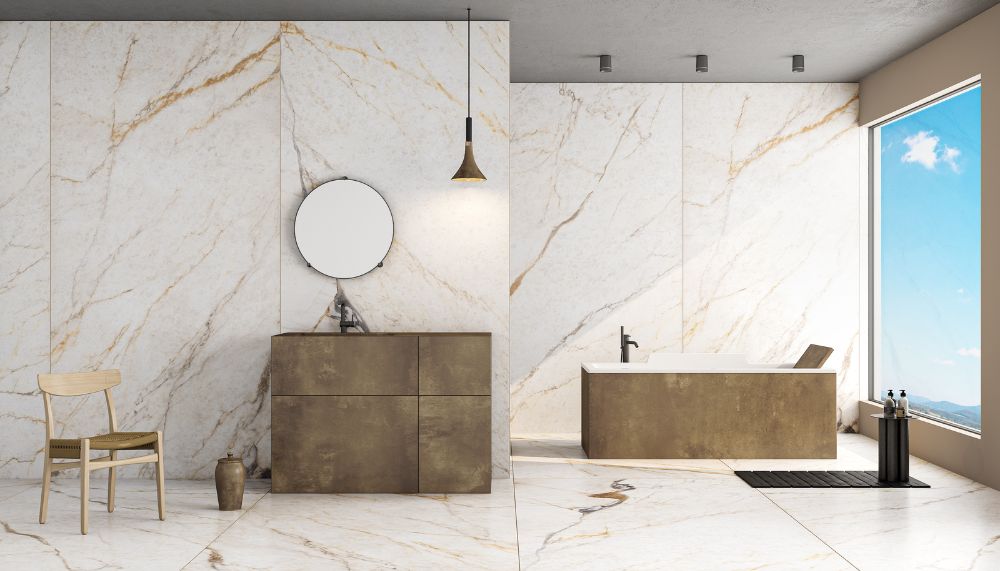

1. Daily care for all floors
A simple daily routine makes more difference than intensive cleaning once in a while. The aim is to remove loose dirt before it can mark the surface.
For most floors, a soft broom, microfibre mop or vacuum cleaner with hard floor setting is ideal. Focus on entrance areas, kitchens and zones where people regularly walk with outdoor shoes.
- Vacuum or sweep high-traffic areas once a day, the rest of the home as needed.
- Use soft brush attachments – avoid rotating beater bars on delicate floors.
- Place mats at entrances to catch grit and moisture before it reaches the floor.

2. Caring for porcelain tiles
Porcelain tiles are extremely robust and almost maintenance-free – perfect for kitchens, hallways and bathrooms. The key is to keep grout and surface free from residue.
For everyday cleaning, a slightly damp microfibre mop with a neutral cleaner is usually enough. Avoid waxes and polishes, as they can leave a dull film on the surface.
- Use pH-neutral cleaners designed for tiles – no bleach or harsh acids.
- Remove spills such as coffee, wine or oil promptly to avoid grout staining.
- For textured tiles, brush diagonally across the pattern to lift dirt from the structure.
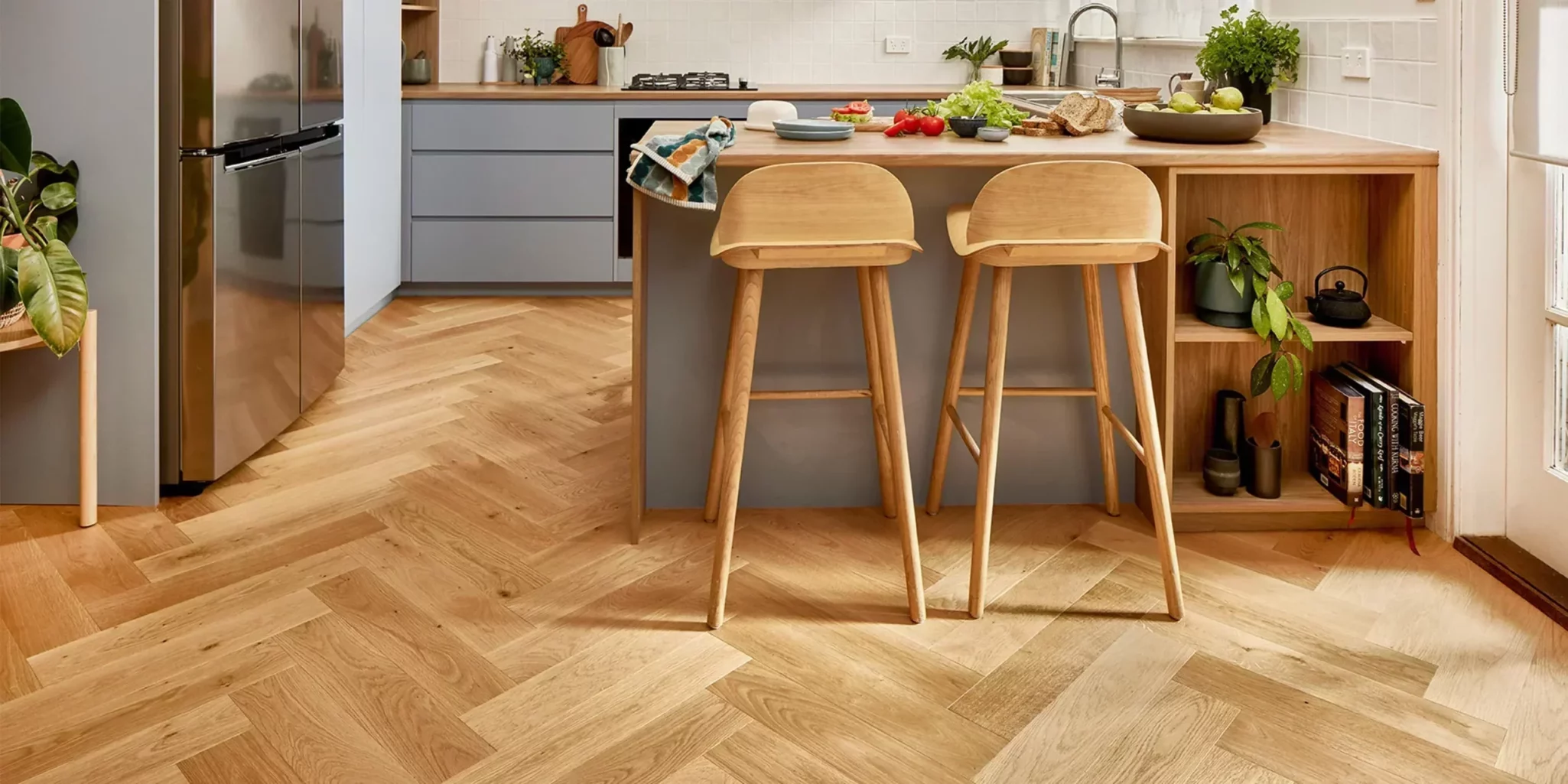
3. Caring for wood & engineered wood floors
Wood floors bring warmth and character – and with the right care they age beautifully. The most important rule: moisture is the enemy.
Always clean with a well-wrung, slightly damp mop, never wet. Use cleaners that are specifically labelled for lacquered or oiled wood floors, depending on your finish.
- Wipe up standing water immediately, especially near entrances and kitchens.
- Use protective pads under furniture and avoid high heels on delicate surfaces.
- Refresh oiled floors periodically with maintenance oil to keep the surface sealed.

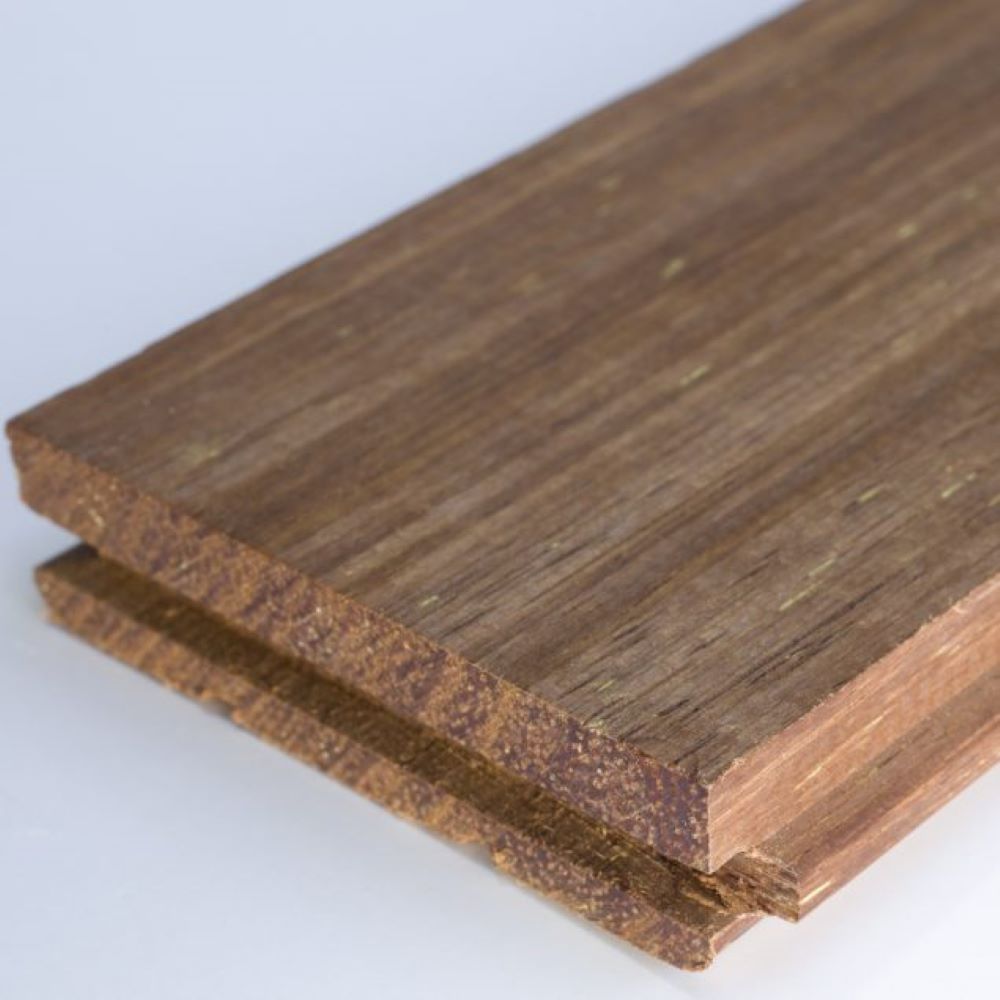
4. Laminate & hybrid floor maintenance
Modern laminate and hybrid floors are designed for everyday life. They are generally stain-resistant and easy to clean – ideal for busy households.
As with wood, avoid excessive water. Use a microfibre mop and a cleaner approved for laminate or rigid core floors. Check the manufacturer’s instructions for products that are labeled “water-resistant” or “waterproof”.
- Clean up liquid spills quickly to avoid moisture seeping into joints.
- Use door mats and protect areas under office chairs with mats or glides.
- Do not use wax, polish or abrasive pads – they can damage the wear layer.
5. Stains, scratches & small repairs
Even with the best care, accidents happen. Knowing how to react calmly can prevent minor issues from turning into permanent damage.
- Stains on tiles: treat with a suitable tile cleaner for the specific stain (lime, grease, organic) and rinse thoroughly.
- Light scratches on wood: touch-up pens and repair oils can make them far less visible.
- Deeper damage: in many modern floors, individual boards or tiles can be replaced by a professional fitter.